
Different Types of Axles in Automobiles: A Comprehensive Guide
Introduction Axles are crucial components in any vehicle, serving as the backbone of the drivetrain. They support the vehicle’s weight, transfer power from the engine to the wheels, and enable smooth movement. Understanding the different types of axles used in automobiles is essential for vehicle enthusiasts, mechanics, and engineers alike. This guide explores various axle […]
Introduction
Axles are crucial components in any vehicle, serving as the backbone of the drivetrain. They support the vehicle’s weight, transfer power from the engine to the wheels, and enable smooth movement. Understanding the different types of axles used in automobiles is essential for vehicle enthusiasts, mechanics, and engineers alike.
This guide explores various axle types, including floating axles, limited-slip differentials, hub locks, center differential locks, and how axles function in all-wheel-drive (AWD) systems. We’ll also discuss axle ratios and their impact on vehicle performance.
Types of Axles in Automobiles
Automobile axles can be broadly classified based on their function and design. The three primary types are:
1. Front Axle
The front axle supports the front wheels and plays a role in steering. It absorbs shocks from uneven roads and bears the weight of the front section of the vehicle.
Types of Front Axles:
- Dead Axle (Non-Driving Axle): Does not transmit power; primarily supports weight.
- Live Axle (Driving Axle): Transfers power from the engine to the wheels.
2. Rear Axle
The rear axle connects the differential to the wheels and plays a direct role in transmitting power. It is usually split into two half shafts, connected via the differential.
Types of Rear Axles:
- Semi-Floating Axle: Found in passenger cars, it supports both the vehicle’s weight and transmits power.
- Full-Floating Axle: Used in heavy-duty trucks and off-road vehicles, it only transmits power, allowing for higher load capacity.
- Three-Quarter Floating Axle: A compromise between semi-floating and full-floating axles, offering better stability.
Floating Axles: Full Floating vs. Semi-Floating
Floating axles are designed to handle different levels of load and stress.
Full-Floating Axle
- Found in heavy-duty vehicles like trucks and 4x4s.
- The axle shaft only transmits torque, while the wheel hub carries the vehicle’s weight.
- Offers superior durability and is easier to repair since the axle shaft can be replaced without removing the wheel assembly.
Semi-Floating Axle
- Common in passenger cars and light trucks.
- The axle shaft supports both the vehicle’s weight and torque transmission.
- Simpler design but more prone to wear under heavy loads.
Limited-Slip Differential (LSD) and Its Role in Axles
A limited-slip differential (LSD) improves traction by distributing power to the wheel with more grip. Unlike an open differential, which allows excessive wheel spin, an LSD ensures balanced power delivery, making it ideal for performance and off-road vehicles.
Types of Limited-Slip Differentials:
- Clutch-Type LSD: Uses clutch plates to distribute torque.
- Torsen (Torque-Sensing) LSD: Uses a gear mechanism to vary power between wheels.
- Electronic LSD: Uses sensors and braking systems to simulate differential locking.
Benefits of LSD:
- Prevents loss of traction on slippery surfaces.
- Enhances off-road and high-performance driving.
- Reduces tire wear by ensuring even power distribution.
Hub Locks and Centre Differential Locks
What Are Hub Locks?
Hub locks are mechanisms used in four-wheel-drive (4WD) vehicles to engage or disengage the front wheels from the drivetrain.
Types of Hub Locks:
- Manual Hub Locks: Require the driver to engage/disengage manually.
- Automatic Hub Locks: Engage/disengage based on driving conditions.
Benefits of Hub Locks:
- Reduces drivetrain wear when 4WD is not needed.
- Improves fuel efficiency by disconnecting the front wheels.
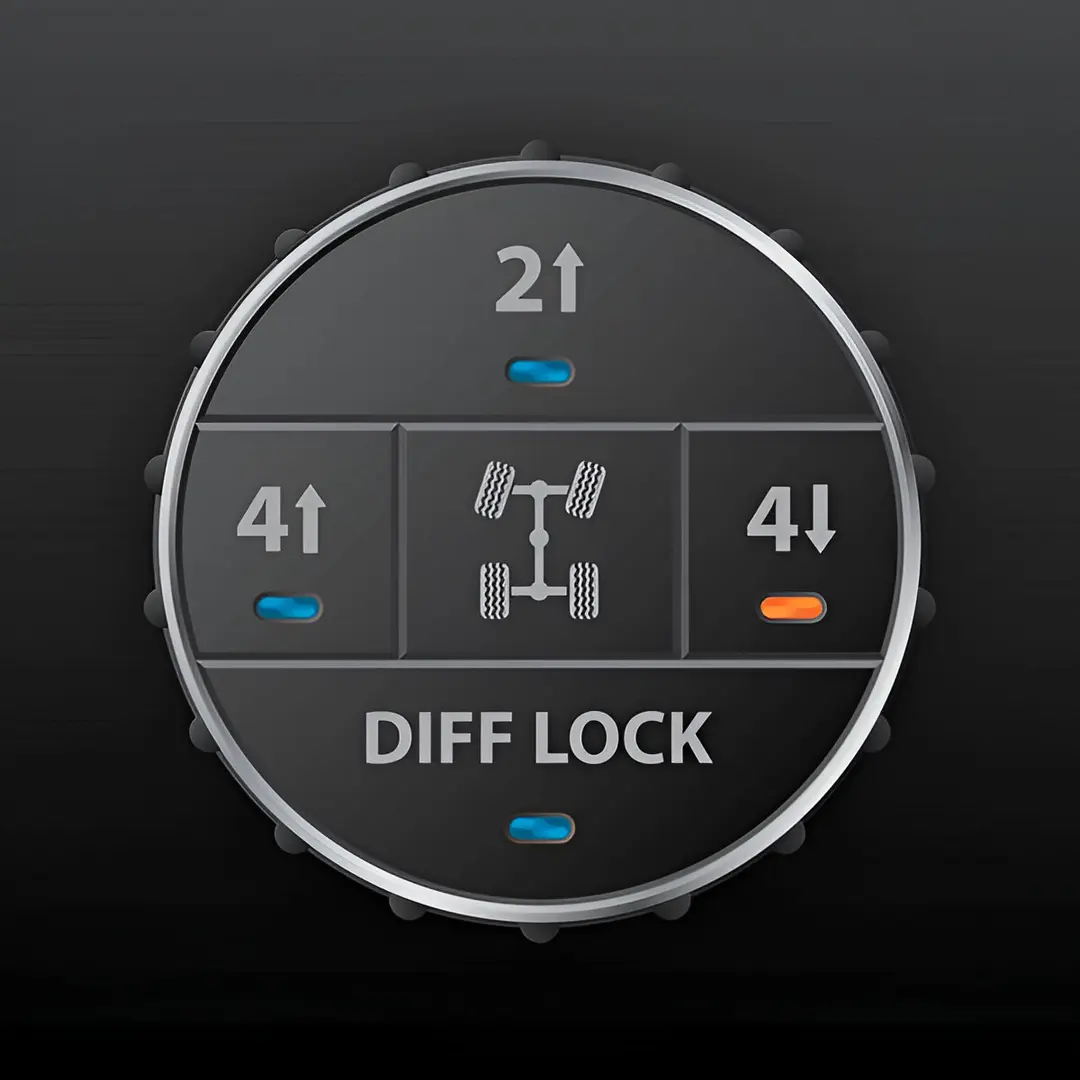
Centre Differential Locks
In all-wheel-drive (AWD) and full-time 4WD systems, a center differential lock ensures equal power distribution between the front and rear axles.
Why It’s Important:
- Prevents one axle from spinning excessively in low-traction conditions.
- Essential for off-road and extreme driving conditions.
- Improves vehicle stability on loose or uneven terrain.
How Axles Work in All-Wheel Drive (AWD) Vehicles
AWD systems use a combination of differentials, transfer cases, and axles to distribute power between all four wheels.
Key Axle Components in AWD Systems:
- Front and Rear Differentials: Distribute power between the left and right wheels.
- Center Differential: Balances power between the front and rear axles.
- Torque Vectoring Systems: Adjust power delivery dynamically for better handling.
AWD Axle Functionality in Different Conditions:
- Normal Road Driving: Power is dynamically adjusted for fuel efficiency and stability.
- Off-Road and Snowy Conditions: More torque is sent to wheels with better grip.
- High-Performance Driving: Systems like quattro (Audi) or xDrive (BMW) enhance traction by optimizing power distribution.
Axle Ratios and Their Impact on Performance
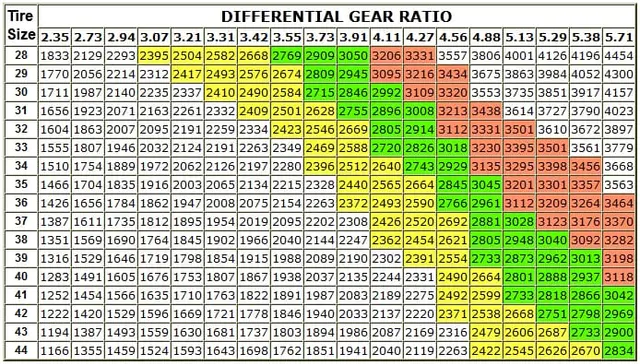
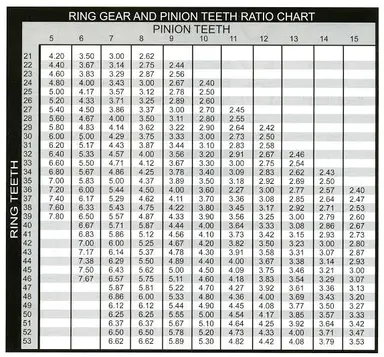
The axle ratio is the number of times the driveshaft rotates for each wheel rotation. It affects acceleration, towing capacity, and fuel efficiency.
Common Axle Ratios and Their Uses:
Axle Ratio
Characteristics
Best For
3.08:1
Lower torque, better fuel efficiency
Highway driving
3.73:1
Balanced performance
Daily driving and light towing
4.10:1
Higher torque, lower fuel efficiency
Heavy towing and off-road use
Choosing the Right Axle Ratio
- Lower Ratios (e.g., 3.08:1): Improve fuel efficiency but reduce towing power.
- Higher Ratios (e.g., 4.10:1): Enhance towing and acceleration but decrease fuel economy.
Conclusion
Axles are fundamental to vehicle performance, affecting everything from power delivery to traction and stability. Floating axles, limited-slip differentials, hub locks, and center differential locks all play a role in optimizing a vehicle’s drivetrain. Understanding axle ratios helps in making informed decisions regarding fuel efficiency, towing capacity, and on-road or off-road performance.
Whether you’re an automotive enthusiast or a professional mechanic, knowing how axles function enhances your understanding of vehicle dynamics and performance.
For optimal vehicle performance, always consider your driving needs, terrain, and load requirements when evaluating axle types and configurations. 🚗💨
FAQs
1. What is the difference between a floating and non-floating axle?
A floating axle supports only torque transfer, while a non-floating axle also bears vehicle weight.
2. How does a limited-slip differential improve traction?
It prevents excessive wheel spin by distributing torque to the wheel with better grip.
3. Why are center differential locks important in AWD systems?
They ensure balanced power distribution between front and rear axles, improving traction in low-grip conditions.
4. How does axle ratio affect fuel efficiency?
Lower axle ratios improve fuel economy, while higher ratios enhance acceleration and towing capacity.
Related reading

Car Paint Shops near me
Your affordable car body shop You rely on your vehicle to get you from point A to point B. When unexpected damage or disrepair occurs, it is important to get in touch with an auto body repair shop that you can trust. The team of auto body repair specialists at fixmycar in Islamabad has been […]
honda
Best Suspension Parts at Fixmycar.pk
Why Are Suspension Parts Important for Your Vehicle? Best Suspension parts play a crucial role in ensuring a smooth, stable, and comfortable ride. A well-maintained suspension system helps: Absorb shocks from rough roads Improve handling and control Enhance overall driving comfort For vehicles like 4×4s, suspension becomes even more critical due to off-road demands. Why […]
5 Warning Signs Your Car Needs Immediate Wheel Alignment and Balancing
What is Wheel Alignment and Balancing? Wheel alignment is the process of adjusting the angles of your car’s wheels so they are perfectly aligned with each other and perpendicular to the road. This ensures smooth driving, even tire wear, and better fuel efficiency. Wheel balancing involves distributing the weight of the wheel and tire evenly. […]

mercedes
Importance of Pre-Purchase Inspections for Used Mercedes-Benz Vehicles
Introduction to Pre-Purchase Inspections for Used Mercedes-Benz Vehicles When considering buying a used Mercedes-Benz vehicle, conducting a pre-purchase inspection is a crucial step in ensuring the investment is worthwhile. This section will outline the importance of these inspections and what to expect when undergoing this process. By uncovering any hidden issues through a pre-purchase inspection, […]

honda
Honda Civic Turbo Transmission Failures
Honda Civic Turbo Transmission Failures: Questions and Answers What Is the Honda Civic Turbo? The Honda Civic Turbo is a modern version of Honda’s popular compact car equipped with a turbocharged engine designed to deliver better performance while maintaining fuel efficiency. Many recent Civic models use a 1.5-liter turbocharged engine that produces more power than […]

toyota
Toyota Raize in Pakistan: Price, Specs, and Variants
Toyota Raize in Pakistan: Price, Specs, Variants & Comparison with Daihatsu Rocky The Toyota Raize is making waves in Pakistan’s compact SUV market. With its head-turning design, fuel-efficient engine, and advanced features, the Raize has become a top choice for urban drivers looking for practicality combined with modern style. This article offers a comprehensive review of the Toyota […]