
Automatic Transmission: A Complete Guide
Automatic Transmission: A Complete Guide Introduction to Automatic Transmission Automatic transmission is a type of motor vehicle gearbox that automatically changes gear ratios as the vehicle moves, eliminating the need for manual gear shifting. It enhances driving comfort, especially in heavy traffic, and is now a standard feature in most modern cars. This guide covers […]
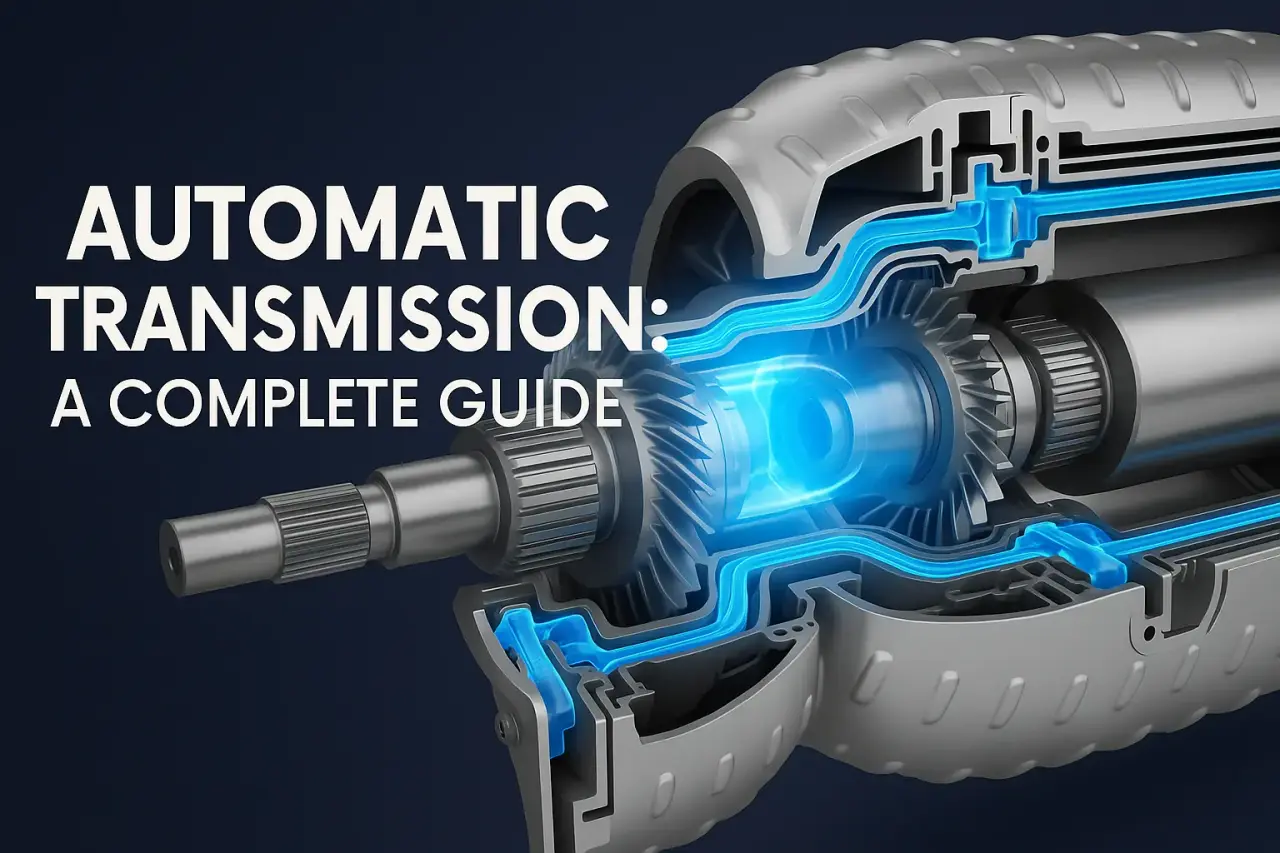
Automatic Transmission: A Complete Guide
Introduction to Automatic Transmission
Automatic transmission is a type of motor vehicle gearbox that automatically changes gear ratios as the vehicle moves, eliminating the need for manual gear shifting. It enhances driving comfort, especially in heavy traffic, and is now a standard feature in most modern cars.
This guide covers how automatic transmissions work, their types, benefits, common problems, and maintenance tips. Whether you’re a car enthusiast, a new driver, or simply curious about automotive technology, this article provides expert insights to help you understand automatic transmissions better.
How Does an Automatic Transmission Work?
An automatic transmission uses a complex system of gears, hydraulics, and sensors to shift gears seamlessly. Here’s a breakdown of its key components and functions:
1. Torque Converter
The torque converter replaces the clutch in manual transmissions. It transfers engine power to the transmission using hydraulic fluid, allowing smooth acceleration without stalling.
2. Planetary Gear Sets
These gear sets provide different gear ratios by locking and unlocking gears in various combinations. They enable smooth transitions between speeds.
3. Hydraulic System
Transmission fluid pressurizes the hydraulic system, controlling gear shifts via valves and solenoids. The fluid also lubricates and cools internal components.
4. Transmission Control Module (TCM)
The TCM is the brain of the system, using sensors to determine optimal shift points based on speed, throttle position, and engine load.
Types of Automatic Transmissions
Several automatic transmission designs exist, each with unique advantages:
1. Conventional Automatic (Torque Converter)
-
- Most common type
- Uses a torque converter for smooth shifting
- Found in sedans, SUVs, and trucks
2. Continuously Variable Transmission (CVT)
-
- Uses belts and pulleys instead of fixed gears
- Provides seamless acceleration without shift shocks
- Common in fuel-efficient cars like hybrids
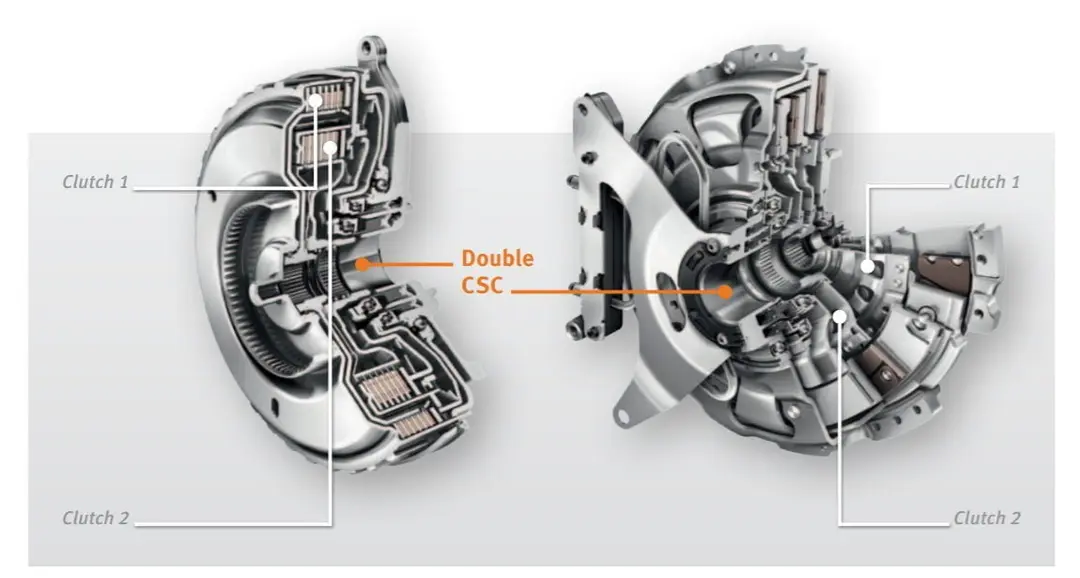
3. Dual-Clutch Transmission (DCT)
-
- Combines manual and automatic features
- Uses two clutches for faster, smoother shifts
- Popular in performance and luxury vehicles
4. Automated Manual Transmission (AMT)
-
- Functions like a manual but shifts automatically
- More affordable but less smooth than conventional automatics
- Often found in budget-friendly cars
Advantages of Automatic Transmissions
Automatic transmissions offer several benefits over manual transmissions:
- Easier Driving Experience – No clutch pedal or manual shifting required.
- Better for Stop-and-Go Traffic – Reduces driver fatigue in congested areas.
- Smoother Acceleration – Gear shifts are seamless with minimal jerkiness.
- Improved Resale Value – Automatic cars are in higher demand in many markets.
- Adaptive Technology – Modern automatics adjust to driving habits for optimal performance.
Common Automatic Transmission Problems
Despite their convenience, automatic transmissions can develop issues over time. Recognizing early warning signs can prevent costly repairs.
1. Slipping Gears
-
- Gears shift unexpectedly or struggle to stay engaged.
- Caused by low fluid, worn clutches, or solenoid issues.
2. Delayed or Rough Shifting
-
- Hesitation or jerking during gear changes.
- Often due to dirty fluid, faulty sensors, or valve body problems.
3. Transmission Fluid Leaks
-
- Red or brown fluid under the car indicates a leak.
- Low fluid levels can lead to overheating and damage.
4. Check Engine Light
-
- Transmission-related error codes may trigger the light.
- Requires diagnostic scanning to identify the issue.
5. Unusual Noises
-
- Whining, humming, or clunking noises may indicate internal wear.
Automatic Transmission Maintenance Tips
Proper maintenance extends the lifespan of your automatic transmission. Follow these best practices:
1. Regular Fluid Checks and Changes
-
- Check transmission fluid monthly (when the engine is warm).
- Replace fluid every 30,000–60,000 miles (varies by vehicle).
2. Use the Correct Transmission Fluid
-
- Always refer to the owner’s manual for the right type.
- Using the wrong fluid can damage the transmission.
3. Avoid Overheating
-
- High temperatures degrade transmission fluid.
- Install an auxiliary cooler if towing heavy loads.
4. Service the Transmission Filter
-
- Some transmissions have replaceable filters that need periodic servicing.
5. Drive Responsibly
-
- Avoid aggressive acceleration and sudden stops.
- Allow the transmission to warm up in cold weather.
Automatic vs. Manual Transmission: Key Differences
Feature
Automatic Transmission
Manual Transmission
Shifting
Automatic gear changes
Driver controls gear shifts
Learning Curve
Easier for beginners
Requires practice
Fuel Efficiency
Traditionally less efficient (but modern automatics match or exceed manuals)
Traditionally more efficient
Maintenance Cost
Higher repair costs
Generally cheaper to repair
Driving Comfort
Better for city driving
Preferred by driving enthusiasts
Future of Automatic Transmissions
Automotive technology continues to evolve, with advancements like:
- More Efficient CVTs – Reducing fuel consumption further.
- Smart Transmissions – AI-driven adaptive shifting for personalized driving.
- Electric Vehicle Transmissions – Single-speed or multi-speed automatics optimized for EVs.
Conclusion
Automatic transmissions provide convenience, smooth performance, and modern driving comfort. Understanding how they work, their types, and proper maintenance can help you maximize their lifespan and performance.
Whether you’re buying a new car or maintaining an existing one, this guide ensures you make informed decisions about automatic transmissions. For expert servicing, always consult a certified mechanic to keep your transmission running smoothly.
FAQs About Automatic Transmissions
Q: How long does an automatic transmission last?
A: With proper maintenance, they can last 150,000–200,000 miles or more.
Q: Can I switch from automatic to manual transmission?
A: It’s possible but expensive and complex; buying a manual car is more practical.
Q: Why is my automatic transmission jerking?
A: Low fluid, worn clutches, or solenoid issues could be the cause. Get it inspected.
Q: Is an automatic transmission better for towing?
A: Yes, modern automatics handle towing well, especially those with a dedicated tow mode.
By following this guide, you’ll have a thorough understanding of automatic transmissions, helping you drive and maintain your vehicle with confidence.
Related reading

honda
Honda Civic Turbo Transmission Failures
Honda Civic Turbo Transmission Failures: Questions and Answers What Is the Honda Civic Turbo? The Honda Civic Turbo is a modern version of Honda’s popular compact car equipped with a turbocharged engine designed to deliver better performance while maintaining fuel efficiency. Many recent Civic models use a 1.5-liter turbocharged engine that produces more power than […]
toyota
Toyota CVT TC vs CVT FE 08886-02105
Toyota CVT TC vs CVT FE — Differences, Compatibility, Climate Guidance, and Best Practices Choosing the correct Toyota CVT fluid is critical for transmission longevity, smooth shift performance, and fuel economy. Two genuine options appear frequently in owner manuals and parts catalogs: Toyota CVT TC and Toyota CVT FE (part no. 08886-02105). While both are […]
toyota
Toyota ATF WS
Toyota ATF WS: Complete Guide, Specs, Applications, and Maintenance Tips If you own a modern Toyota or Lexus, choosing the right automatic transmission fluid (ATF) is critical for smooth shifting, fuel economy, and long transmission life. Toyota ATF WS (World Standard) is the factory-recommended fluid for a wide range of Toyota and Lexus models from […]

transmission
Manual Transmission Driving Techniques for Improved Fuel Efficiency
In today’s era of eco-consciousness and rising fuel prices, optimizing fuel efficiency has become a priority for conscientious drivers. One of the key strategies in achieving this goal is mastering the art of manual transmission driving. This comprehensive guide is crafted to equip you with valuable insights, tips, and strategies on enhancing your vehicle’s fuel […]
diagnostics
P2788 DTC Auto Shift Manual Adaptive Learning at Limit
P2788 OBD-II trouble code Fixmycar.pk offers all hybrid vehicle services, we have mobile units (for members only) that are capable to handle almost every make and model of the car within Islamabad and Rawalpindi. If you are not from Isb or Rwp you can send the battery pack to us which we can repair and […]
honda
Dual clutch Transmission
Highly efficient future mobility Dual Clutch Transmission (DCT) is a cutting-edge automotive technology that combines the efficiency of a manual transmission with the convenience of an automatic transmission. It has gained significant popularity among car enthusiasts and manufacturers alike. With its advanced design, DCT delivers lightning-fast gear shifts, resulting in seamless acceleration and enhanced fuel […]