
What is EV, BEV, HEV, PHEV? Here’s your guide to types of electric cars
What is EV, BEV, HEV, PHEV? Here’s Your Guide to Types of Electric Cars The automotive industry is rapidly shifting toward electrification, with electric vehicles (EVs) becoming increasingly popular. However, terms like BEV, HEV, and PHEV can be confusing for new buyers. This guide breaks down the different types of electric cars, their benefits, and […]
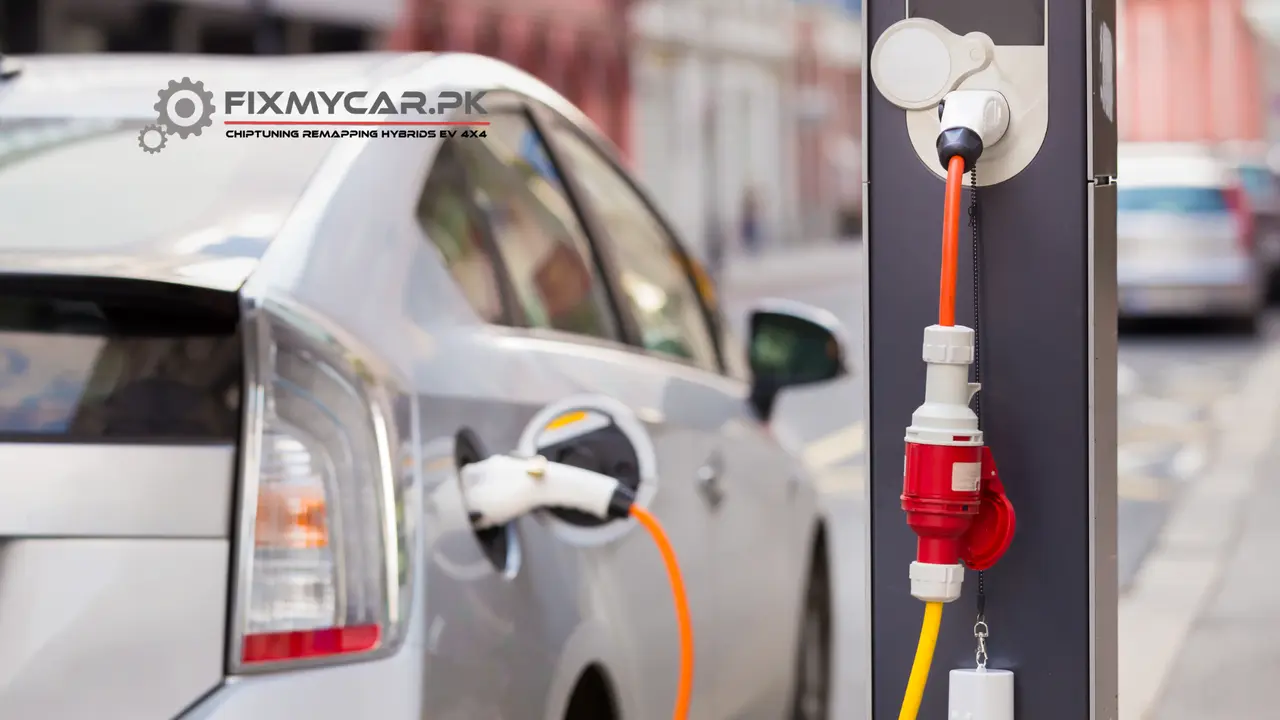
What is EV, BEV, HEV, PHEV? Here’s Your Guide to Types of Electric Cars
The automotive industry is rapidly shifting toward electrification, with electric vehicles (EVs) becoming increasingly popular. However, terms like BEV, HEV, and PHEV can be confusing for new buyers. This guide breaks down the different types of electric cars, their benefits, and how they compare to help you make an informed decision.
What is an Electric Vehicle (EV)?
An Electric Vehicle (EV) is any vehicle that uses one or more electric motors for propulsion instead of an internal combustion engine (ICE). EVs rely on electricity stored in batteries or hydrogen fuel cells, reducing or eliminating tailpipe emissions.
Key Characteristics of EVs:
-
-
Lower emissions than gasoline/diesel cars.
-
Reduced reliance on fossil fuels.
-
Quieter operation and instant torque.
-
Regenerative braking improves efficiency.
-
EVs are categorized into four main types: Battery Electric Vehicles (BEVs), Hybrid Electric Vehicles (HEVs), Plug-in Hybrid Electric Vehicles (PHEVs), and Fuel Cell Electric Vehicles (FCEVs).
Battery Electric Vehicle (BEV) – Pure Electric Cars
A Battery Electric Vehicle (BEV) runs entirely on electricity stored in a large battery pack. It has no gasoline engine and must be recharged via an external power source.
How BEVs Work:
-
-
Powered solely by an electric motor.
-
Uses lithium-ion batteries for energy storage.
-
Requires charging stations (Level 1, Level 2, or DC Fast Charging).
-
Pros of BEVs:
✅ Zero emissions – No tailpipe pollution.
✅ Lower operating costs – Electricity is cheaper than gasoline.
✅ Minimal maintenance – Fewer moving parts than ICE vehicles.
Cons of BEVs:
❌ Limited range – Typically 200-400 miles per charge.
❌ Longer refueling time – Fast charging still takes 20-40 minutes.
❌ Higher upfront cost – Battery technology is expensive.
Popular BEV Models:
-
-
Tesla Model 3
-
Chevrolet Bolt EV
-
Ford Mustang Mach-E
-
Hyundai Kona Electric
-
Hybrid Electric Vehicle (HEV) – Gasoline + Electric
A Hybrid Electric Vehicle (HEV) combines a gasoline engine with an electric motor but cannot be plugged in. The battery recharges through regenerative braking and the engine.
How HEVs Work:
-
-
Uses both an ICE and an electric motor.
-
Battery is small and self-charging.
-
Electric motor assists the engine for better fuel efficiency.
-
Pros of HEVs:
✅ Better fuel economy than conventional cars.
✅ No charging needed – No reliance on charging stations.
✅ Lower emissions than gas-only vehicles.
Cons of HEVs:
❌ No electric-only mode – Always relies on gasoline.
❌ Limited electric range – Typically 1-2 miles.
Popular HEV Models:
-
-
Toyota Prius
-
Honda Accord Hybrid
-
Ford Escape Hybrid
-
Plug-in Hybrid Electric Vehicle (PHEV) – Best of Both Worlds
A Plug-in Hybrid Electric Vehicle (PHEV) has a larger battery than an HEV and can be plugged in for charging. It offers both electric-only driving and gasoline backup.
How PHEVs Work:
-
-
Can run on electricity alone (typically 20-50 miles).
-
Switches to gasoline when the battery depletes.
-
Requires plug-in charging for full efficiency.
-
Pros of PHEVs:
✅ Electric-only mode for short commutes.
✅ Longer range than BEVs due to gasoline backup.
✅ Lower emissions than conventional hybrids.
Cons of PHEVs:
❌ Higher cost than HEVs.
❌ Still uses gasoline – Not fully zero-emission.
Popular PHEV Models:
-
-
Toyota RAV4 Prime
-
Chrysler Pacifica Hybrid
-
BMW 330e
-
Fuel Cell Electric Vehicle (FCEV) – The Hydrogen Option
A Fuel Cell Electric Vehicle (FCEV) uses hydrogen gas to generate electricity, emitting only water vapor.
How FCEVs Work:
-
-
Hydrogen reacts with oxygen in a fuel cell to produce electricity.
-
No battery charging – refueling takes 3-5 minutes.
-
Pros of FCEVs:
✅ Fast refueling – Comparable to gasoline cars.
✅ Zero emissions – Only water as a byproduct.
Cons of FCEVs:
❌ Limited infrastructure – Few hydrogen stations.
❌ High production cost – Expensive technology.
Popular FCEV Models:
-
-
Toyota Mirai
-
Hyundai Nexo
-
Comparing EV Types: BEV vs. HEV vs. PHEV vs. FCEV
Feature
BEV
HEV
PHEV
FCEV
Power Source
Battery Only
Gas + Electric (No Plug)
Gas + Electric (Plug-In)
Hydrogen Fuel Cell
Electric-Only Range
200-400 miles
<2 miles
20-50 miles
300-400 miles
Refueling Method
Charging Station
Gasoline
Charging + Gasoline
Hydrogen Station
Emissions
Zero
Lower than ICE
Lower than HEV
Zero (Water Only)
Maintenance
Low
Moderate
Moderate
Moderate
Which Electric Car is Right for You?
-
Choose a BEV if: You want zero emissions, have access to charging, and mostly drive short distances.
-
Choose an HEV if: You want better fuel economy without plugging in.
-
Choose a PHEV if: You want electric driving for short trips but need gasoline for longer journeys.
-
Choose an FCEV if: You live near hydrogen stations and want fast refueling.
Future of Electric Vehicles
EV adoption is growing due to:
-
Government incentives (tax credits, rebates).
-
Improving battery technology (longer ranges, faster charging).
-
Expanding charging networks.
By 2030, experts predict EVs will dominate new car sales as automakers phase out gasoline vehicles.
Frequently Asked Questions (FAQs)
1. What’s the difference between a hybrid and a plug-in hybrid?
A hybrid (HEV) cannot be plugged in, while a plug-in hybrid (PHEV) can.
2. How long do EV batteries last?
Most EV batteries last 8-15 years or 100,000-200,000 miles before needing replacement.
3. Are electric cars cheaper to maintain?
Yes, EVs have fewer moving parts, reducing maintenance costs by 30-50% compared to gasoline cars.
4. Can I charge an EV at home?
Yes, using a Level 1 (120V) or Level 2 (240V) charger. DC fast charging is for public stations.
5. Are hydrogen cars better than battery EVs?
Hydrogen cars refuel faster but have limited infrastructure. BEVs are more widely available.
Conclusion
Understanding the differences between EV, BEV, HEV, PHEV, and FCEV helps you choose the best electric car for your needs. Whether you prioritize zero emissions, fuel efficiency, or convenience, there’s an electric vehicle type that fits your lifestyle.
As technology advances, EVs will become even more accessible, making now the perfect time to consider going electric.
Related reading

toyota
Toyota Land Cruiser 300 Now Comes with Hybrid Power
Toyota Land Cruiser 300 Now Comes with Hybrid Power Toyota has officially unveiled the hybrid version of its flagship SUV, the Land Cruiser 300, marking a significant milestone in the brand’s electrification journey. The introduction of this hybrid powerhouse often called the LC300 reinforces Toyota’s commitment to sustainable mobility without compromising the legendary off-road capability […]
toyota
Toyota Hybrid System Overview
Toyota Hybrid System Overview: How It Works, Components, and Maintenance For over two decades, the Toyota Hybrid System (THS), also marketed as Hybrid Synergy Drive (HSD), has remained the benchmark for automotive electrification. From the pioneering Prius to the rugged RAV4 Hybrid, this technology powers millions of vehicles globally. Understanding how this complex system operates […]

toyota
Toyota Prius C1259 and P0A0D Error
The Toyota Prius C1259 and P0A0D errors are diagnostic trouble codes that relate to the hybrid system of the vehicle. The C1259 code specifically indicates a malfunction in the regenerative brake system, which is responsible for capturing and converting kinetic energy back into electrical energy to charge the hybrid battery. This malfunction could be attributed […]
hybrid
Hyundai Elantra Hybrid Specifications, and Features
The Hyundai Elantra Hybrid has gained significant attention in Pakistan, especially among eco-conscious car buyers looking for a blend of fuel efficiency, modern design, and advanced features. Hyundai’s Elantra lineup is known for its sleek appearance, reliable performance, and cutting-edge technology, and the hybrid variant is no exception. In this article, we will take an […]
honda
Tips for Honda Hybrid Maintenance
Tips for Honda Hybrid Vezel/Fit/Freed Maintenance Schedule Honda has always been at the forefront of automotive innovation, and their commitment to the hybrid revolution is clearly evident in their remarkable lineup. With a perfect blend of performance, fuel efficiency, and cutting-edge technology, Honda’s hybrid cars have become the go-to choice for eco-conscious drivers. In this […]
hybrid
Pre-Purchase Inspection for Premium Cars
Pre-Purchase Inspection for Premium Cars This article will explore the importance of pre-purchase inspections for premium cars, what they entail, and how they help buyers make informed decisions. By the end, you’ll understand why a professional car inspection is essential before committing to any high-end vehicle purchase. Quality should always be the number one concern […]