
Hyundai Tucson & KIA Sportage Performance Upgrade
Hyundai Tucson & KIA Sportage Performance Upgrade: ECU Remap and Enhanced Shift Patterns The Hyundai Tucson has earned its place as a reliable, fuel-efficient, and versatile SUV. Yet, for many owners, the stock performance leaves room for improvement. A remap—also known as ECU tuning—can significantly enhance power delivery, throttle response, and shift patterns. Interestingly, the […]

Hyundai Tucson & KIA Sportage Performance Upgrade: ECU Remap and Enhanced Shift Patterns
The Hyundai Tucson has earned its place as a reliable, fuel-efficient, and versatile SUV. Yet, for many owners, the stock performance leaves room for improvement. A remap—also known as ECU tuning—can significantly enhance power delivery, throttle response, and shift patterns. Interestingly, the Kia Sportage, which shares the same ECU (Engine Control Module) architecture as the Tucson, benefits from similar tuning strategies. In this comprehensive guide, we explore how a performance remap can elevate both vehicles.
Understanding ECU Remapping
ECU remapping involves reprogramming the software that controls your vehicle’s engine and transmission. This software governs air-fuel ratios, ignition timing, turbo boost levels, and shift points. Manufacturers often use conservative maps to meet emissions standards and cater to various environmental conditions.
By recalibrating these parameters, a remap unlocks the engine’s true potential without changing any hardware. This is particularly effective in turbocharged engines like those in the Hyundai Tucson and Kia Sportage.
Hyundai Tucson and KIA Sportage: Shared DNA
The Hyundai Tucson and Kia Sportage share more than just platform similarities—they often feature the same ECU models, especially in the 1.6 T-GDi and 2.0 CRDi variants. Both vehicles use Hyundai-Kia’s Bosch MED17 or EDC17 ECUs, which respond very well to tuning.
Because of this shared electronic foundation, performance upgrades developed for one model are typically compatible with the other. This means tuning specialists can apply the same tuning principles and software modifications across both vehicles, streamlining the process and ensuring consistent results.
Benefits of a Remap for Tucson and Sportage
1. Increased Horsepower and Torque
Remapping optimizes boost pressure, fuel delivery, and ignition timing. Typical gains for a 1.6 T-GDi engine include:
- +30-40 HP
- +50-70 Nm torque
For diesel variants like the 2.0 CRDi, expect:
- +25-35 HP
- +80-100 Nm torque
2. Sharper Throttle Response
Laggy throttle input is common in stock ECUs. Remapping improves throttle sensitivity, making acceleration feel more immediate and natural.
3. Smoother Power Delivery
The tuning process eliminates flat spots in the RPM range, resulting in a smoother, more linear power band.
Improved Shift Patterns and Transmission Behavior
Both the Hyundai Tucson and Kia Sportage use 6-speed or 8-speed automatic transmissions, which can exhibit sluggish or delayed shifts in factory configuration. ECU remapping can recalibrate these shift points for:
- Quicker gear changes
- Delayed upshifts for better acceleration
- Improved downshifts under load or during overtakes
This enhancement not only improves performance but also contributes to a more engaging driving experience.
Performance Gains: What to Expect
Model
Stock Power
Tuned Power
Stock Torque
Tuned Torque
Tucson 1.6 T-GDi
177 HP
210-220 HP
265 Nm
330-345 Nm
Sportage 1.6 T-GDi
177 HP
210-220 HP
265 Nm
330-345 Nm
Tucson 2.0 CRDi
185 HP
210-220 HP
400 Nm
480-500 Nm
Sportage 2.0 CRDi
185 HP
210-220 HP
400 Nm
480-500 Nm
These improvements result in faster 0–60 times and reduced turbo lag, especially in mid-range acceleration scenarios.
Fuel Economy After Tuning
While performance tuning focuses on power, fuel efficiency can also improve under certain conditions. For instance, increased torque allows for lower RPM cruising, which can reduce fuel consumption during highway driving.
However, driving style plays a significant role. Aggressive acceleration will negate any efficiency gains. A balanced approach typically leads to a 5–10% improvement in MPG for diesel engines, and 3–5% for petrol.
Is ECU Remapping Safe?
When done by a professional, ECU remapping is safe and non-invasive. It does not require any physical modifications, and the changes can be reversed if needed.
Important safety practices include:
- Using a custom remap, not a generic file
- Retaining factory safety limits (e.g., EGT, boost pressure)
- Conducting a pre-tune health check of the engine and transmission
Avoid budget tuning files or DIY kits that may not account for individual vehicle variances.
Choosing a Trusted Tuning Specialist
Look for tuning providers who:
- Offer DYNO-tested and custom-developed maps
- Provide before-and-after performance graphs
- Have certifications or affiliations with automotive tuning bodies
- Offer warranty-backed services
Reputable tuners also give you the option to revert to the stock map if needed.
Legal and Warranty Considerations
Warranty Implications
Most manufacturers consider ECU remapping as a modification that voids powertrain warranties. Some dealerships may overlook mild tuning, but this is not guaranteed. Always ask your tuner if they offer OEM-level reflash options or warranty packages.
Emissions Compliance
Tuning can affect emissions output, especially if related hardware like DPF (Diesel Particulate Filter) or EGR (Exhaust Gas Recirculation) is altered. In regions with strict emissions testing, this can lead to MOT failures or fines.
Choose “eco-remaps” or Stage 1 tunes that retain full emissions compliance if this is a concern.
Conclusion
Upgrading the performance of your Hyundai Tucson or Kia Sportage via ECU remapping delivers tangible benefits: more power, better drivability, and enhanced shift patterns. Since both vehicles share ECU architecture, tuning strategies are universally applicable, streamlining the process for owners of either model.
When done professionally, a remap is a safe, reversible way to personalize your vehicle’s performance. Whether you’re aiming for stronger highway acceleration or a more responsive daily driver, ECU tuning offers a smart, cost-effective solution—without compromising reliability.
Frequently Asked Questions
Will my fuel economy suffer after a remap?
Not necessarily. With moderate driving, fuel economy can actually improve due to better torque delivery.
Is the remap detectable by the dealership?
Yes, most modern ECUs log software changes. However, some tuners offer “stealth remaps” that are harder to detect.
Can I still pass emissions tests after tuning?
If you retain all emissions hardware and opt for a compliant Stage 1 tune, you should pass without issue.
Related reading

honda
Honda Civic Turbo X
Honda Civic Turbo Honda civic turbo x comes with a turbo engine and a direct fuel injection system. The DFI explains the minor clicking noise. When you press the accelerator pedal clicking noise may be heard and it is from the GDI pump. A lot of people think the noise is coming from tappets or […]

toyota
Toyota Hilux 2GD-FTV Remap
What is a DPF ? A DPF can decrease performance of an engine if choked. It can cause vehicle to perform in limp mode or restricted mode to regulate diesel emissions. All new diesel Toyota hilux have DPF Diesel engines produce lots of soot. This particulate matter can cause respiratory and cardiovascular problems. Euro emission […]

honda
Honda Civic Turbo 1.5 FC6 REMAP
Honda Civic Turbo 1.5 REMAP Honda Civic Turbo remap is based on the new Civic designed on the all-new Honda compact global platform. It utilizes higher grade steel, the unit body is 68 lb (31 kg) lighter than the prior model and the center of gravity has been reduced 0.6 in (15 mm). The sedan’s […]

honda
Honda Civic Turbo Transmission Failures
Honda Civic Turbo Transmission Failures: Questions and Answers What Is the Honda Civic Turbo? The Honda Civic Turbo is a modern version of Honda’s popular compact car equipped with a turbocharged engine designed to deliver better performance while maintaining fuel efficiency. Many recent Civic models use a 1.5-liter turbocharged engine that produces more power than […]
honda
Do Hyundai Engines Last as Long as Hondas or Toyotas?
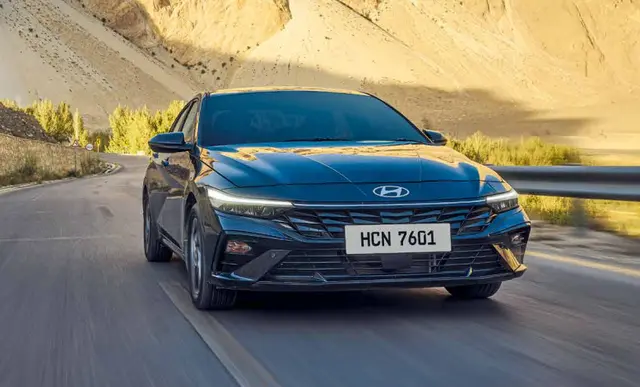
When shopping for a reliable car, most buyers prioritize longevity and engine durability. Honda and Toyota have long been synonymous with dependable vehicles, often outlasting the competition. But in recent years, Hyundai has emerged as a major player, offering vehicles with improved quality and performance. This raises a critical question: do Hyundai engines last as […]
hybrid
Hyundai Elantra Hybrid Specifications, and Features
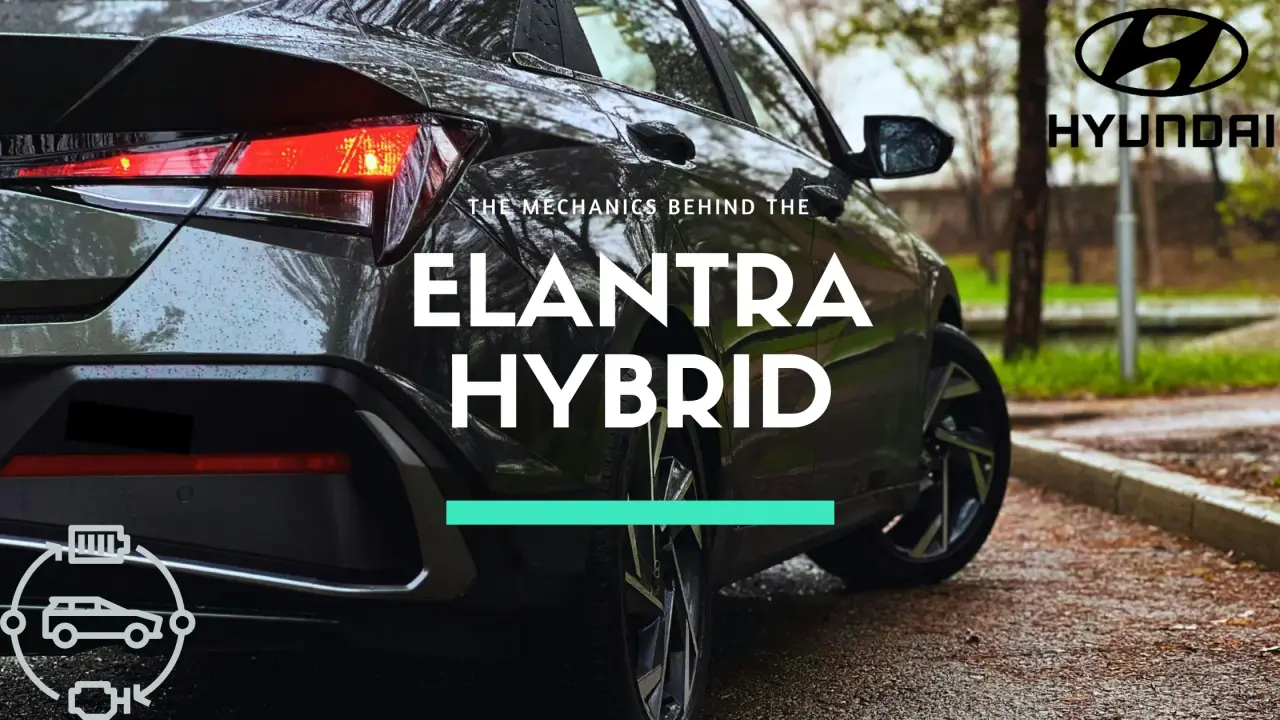
The Hyundai Elantra Hybrid has gained significant attention in Pakistan, especially among eco-conscious car buyers looking for a blend of fuel efficiency, modern design, and advanced features. Hyundai’s Elantra lineup is known for its sleek appearance, reliable performance, and cutting-edge technology, and the hybrid variant is no exception. In this article, we will take an […]