
Toyota Hybrid System Overview
Toyota Hybrid System Overview: How It Works, Components, and Maintenance For over two decades, the Toyota Hybrid System (THS), also marketed as Hybrid Synergy Drive (HSD), has remained the benchmark for automotive electrification. From the pioneering Prius to the rugged RAV4 Hybrid, this technology powers millions of vehicles globally. Understanding how this complex system operates […]
Toyota Hybrid System Overview: How It Works, Components, and Maintenance
For over two decades, the Toyota Hybrid System (THS), also marketed as Hybrid Synergy Drive (HSD), has remained the benchmark for automotive electrification. From the pioneering Prius to the rugged RAV4 Hybrid, this technology powers millions of vehicles globally.
Understanding how this complex system operates is essential not just for automotive enthusiasts, but for any owner looking to maximize fuel efficiency and longevity. This guide provides a complete technical overview of the Toyota Hybrid System, detailing its components, modes of operation, and critical maintenance requirements.
What is the Toyota Hybrid System (THS)?
The Toyota Hybrid System is a series-parallel hybrid powertrain. Unlike “mild hybrids” that use a small electric motor solely to assist a gas engine, or “series hybrids” where the engine never drives the wheels directly, the THS can drive the wheels using the electric motor, the gasoline engine, or both simultaneously.
This flexibility allows the system to switch seamlessly between power sources to achieve maximum thermal efficiency and fuel economy without sacrificing performance. The system’s brilliance lies in its ability to manage energy flow automatically, requiring no input from the driver.
Core Components of Hybrid Synergy Drive
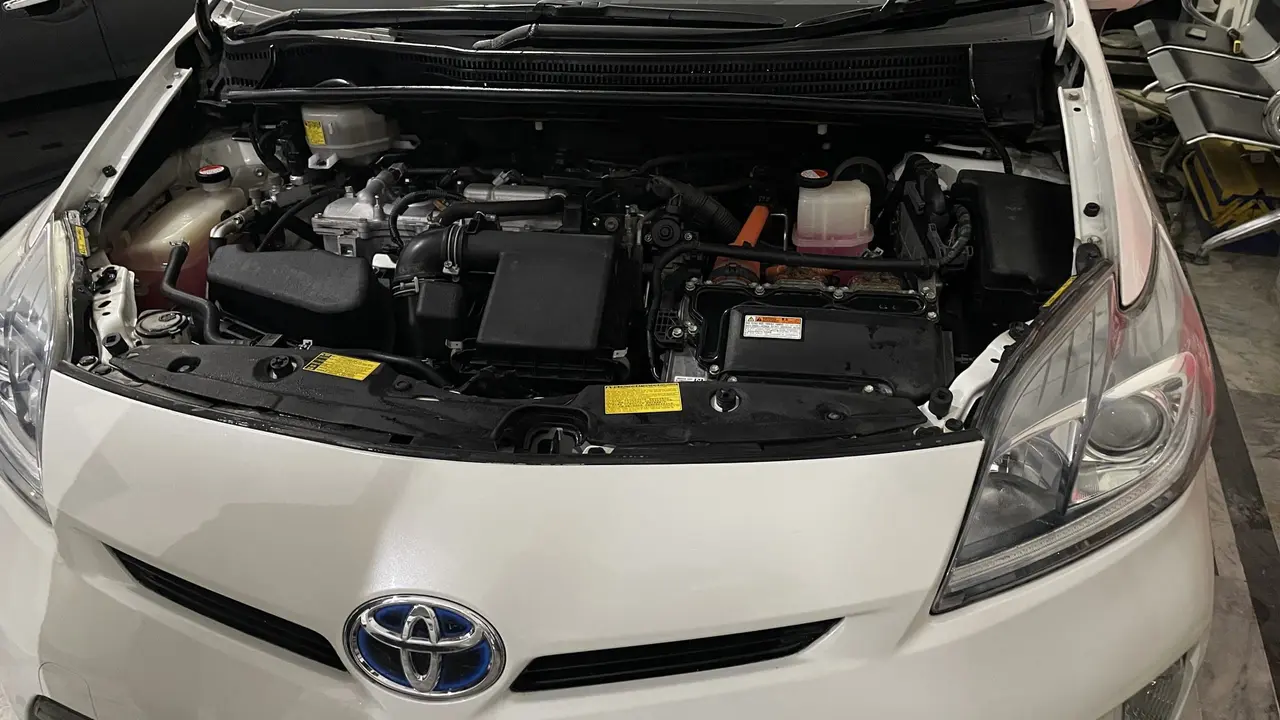
To understand the system, we must break down its primary hardware. The THS eliminates traditional components like the alternator, starter motor, and conventional transmission, replacing them with a more efficient, integrated architecture.
1. Internal Combustion Engine (Atkinson Cycle)
Toyota hybrids use a specialized internal combustion engine (ICE) that operates on the Atkinson Cycle. Unlike the Otto cycle found in standard cars, the Atkinson cycle delays the closing of the intake valve during the compression stroke.
-
-
Benefit: This reduces pumping losses and squeezes more energy from every drop of fuel, achieving significantly higher thermal efficiency (often exceeding 40%).
-
Trade-off: It produces less low-end torque, but the electric motors compensate for this instantly.
-
2. Motor Generators (MG1 and MG2)
Instead of a standard transmission, the system uses two electric motor-generators housed within the transaxle:
-
-
MG1 (Generator/Starter): This smaller motor acts primarily as a generator. It starts the gas engine, charges the high-voltage battery, and regulates the transmission ratio by controlling the speed of the planetary gear set.
-
MG2 (Traction Motor): This larger, powerful motor drives the wheels. It provides instant torque for acceleration and acts as the primary generator during regenerative braking, capturing kinetic energy to recharge the battery.
-
3. The Power Split Device (Planetary Gear Set)
The heart of the Toyota Hybrid System is the Power Split Device. It is a simple yet ingenious planetary gear set that connects the engine, MG1, and MG2.
-
-
Sun Gear: Connected to MG1.
-
Planet Carrier: Connected to the Engine.
-
Ring Gear: Connected to MG2 and the wheels.
-
This mechanical connection allows the system to act as an Electronic Continuously Variable Transmission (e-CVT). By varying the speed of MG1, the computer can change the effective gear ratio between the engine and wheels without any belts or pulleys.
4. High-Voltage (HV) Hybrid Battery
Located typically under the rear seats, the HV battery stores energy for the electric motors.
-
-
Chemistry: Older models (and some rugged AWD models) use Nickel-Metal Hydride (NiMH) batteries, known for durability and temperature tolerance. Newer generations increasingly utilize Lithium-ion (Li-ion) packs for their lighter weight and higher energy density.
-
Function: It powers MG2 during EV mode and assists the engine during hard acceleration.
-
5. Inverter and Converter Assembly
The HV battery supplies Direct Current (DC), but the motors (MG1/MG2) require Alternating Current (AC). The Inverter manages this conversion thousands of times per second. It also includes a DC-DC Converter, which steps down the high voltage (200V+) to 12V to charge the auxiliary battery that powers lights, radio, and ECUs.
How the System Works: Modes of Operation
The sophisticated Electronic Control Unit (ECU) constantly monitors driving conditions to select the optimal drive mode.
1. Start and Low-Speed (EV Mode)
When you press the power button, the engine usually stays off. As you accelerate gently, the battery powers MG2 exclusively. The vehicle moves silently with zero emissions. This is why Toyota hybrids are exceptionally efficient in stop-and-go city traffic.
2. Normal Driving (Hybrid Mode)
As speed increases, the MG1 spins up to start the gas engine smoothly. The Power Split Device splits the engine’s power:
-
-
One path sends mechanical power directly to the wheels.
-
The other path spins MG1 to generate electricity, which is sent directly to MG2 to add more torque to the wheels. This “electrical path” eliminates the need for a conventional gearbox.
-
3. Full Acceleration
When you floor the throttle, the system draws maximum power from both the gasoline engine and the HV battery simultaneously. MG2 delivers instant torque while the engine revs to its peak power range, providing a seamless surge of acceleration.
4. Deceleration and Braking (Regenerative Braking)
When you lift off the accelerator or press the brake, the engine shuts off. The wheels spin MG2, turning it into a powerful generator. The resistance creates braking force, slowing the car while converting kinetic energy back into electricity to charge the HV battery. This significantly extends the life of your physical brake pads.
Common Toyota Hybrid System Problems
While legendary for reliability, the THS is not immune to wear. Owners should be aware of specific issues that trigger warning lights like the “Red Triangle of Death.”
1. Hybrid Battery Degradation (Code P0A80)
The most common issue in aging hybrids (10+ years) is battery capacity loss.
-
-
Symptoms: Rapid fluctuation in the battery level gauge, the engine running constantly, and reduced fuel economy.
-
The Code: OBD2 scanners will often reveal code P0A80 (Replace Hybrid Battery Pack).
-
Solution: You can replace individual bad modules (reconditioning) or install a completely new battery pack.
-
2. Inverter Pump Failure
The inverter generates immense heat and has its own dedicated cooling system. The electric water pump circulating this coolant can fail.
-
-
Risk: If the pump fails, the inverter can overheat and burn out, leading to a very expensive repair.
-
Maintenance Tip: Check the turbulence in the inverter coolant reservoir (under the hood) when the car is “Ready.” No movement means the pump may be dead.
-
3. Clogged HV Battery Cooling Fan
The battery generates heat during charging and discharging. A cooling fan, usually located near the rear seat, regulates its temperature.
-
-
The Problem: Over time, this fan sucks in dust, pet hair, and lint, clogging the filter or the fan blades.
-
Consequence: A hot battery protects itself by limiting charge/discharge rates, causing sluggish performance and premature failure.
-
Fix: Clean the intake grille and fan blades every 20,000 miles.
-
4. ABS Actuator Failure (Codes C1251 / C1256)
Some older models (specifically Gen 3 Prius and Camry Hybrid) experience brake actuator failures. You might hear a strange buzzing noise when opening the door or pressing the brakes. This requires a specialized replacement of the ABS pump/actuator assembly.
Essential Maintenance for Longevity
To ensure your Toyota hybrid reaches 200,000 miles and beyond, follow this maintenance checklist beyond standard oil changes:
-
Clean the Battery Fan Filter: Regularly inspect the air intake vent (usually by the rear passenger legroom) to prevent overheating.
-
Change Inverter Coolant: Follow the manufacturer’s schedule (often 100,000 miles) to flush the inverter coolant loop. Old fluid becomes acidic and can damage the internal electronics.
-
Brake Fluid Flushes: Because the physical brakes are used less often, moisture can accumulate in the lines without boiling off. Flush brake fluid every 3 years to protect the expensive ABS actuator.
-
Drive Regularly: Hybrid batteries degrade faster when left sitting for weeks. Drive the vehicle at least once a week to keep the battery chemistry active and balanced.
Conclusion
The Toyota Hybrid System is a marvel of modern engineering, seamlessly blending electric efficiency with gasoline reliability. Its design—centered around the Power Split Device and two motor-generators—eliminates common failure points like alternators and clutch packs while delivering superior economy.
By understanding how your hybrid transitions between EV and gas modes and staying vigilant about specific maintenance needs like battery cooling and inverter care, you can enjoy a trouble-free ownership experience. Whether you drive a Prius, Camry, or RAV4 Hybrid, the THS remains the gold standard for sustainable mobility.
Related reading
toyota
Toyota F33A-FTV 3.3L Engine: Specs, Reliability, and Owner’s Guide
Toyota F33A-FTV 3.3L twin-turbo V6 diesel engine marked a significant shift in the automotive landscape for Toyota’s most enduring off-road platforms. Launched in 2021, the F33A-FTV debuted in the venerable Toyota Land Cruiser 300 and was later adopted by the Lexus LX 500d. This engine is historic for the manufacturer, representing their first-ever production V6 diesel, […]

toyota
Toyota Raize in Pakistan: Price, Specs, and Variants
Toyota Raize in Pakistan: Price, Specs, Variants & Comparison with Daihatsu Rocky The Toyota Raize is making waves in Pakistan’s compact SUV market. With its head-turning design, fuel-efficient engine, and advanced features, the Raize has become a top choice for urban drivers looking for practicality combined with modern style. This article offers a comprehensive review of the Toyota […]

toyota
Toyota Land Cruiser 300 Now Comes with Hybrid Power
Toyota Land Cruiser 300 Now Comes with Hybrid Power Toyota has officially unveiled the hybrid version of its flagship SUV, the Land Cruiser 300, marking a significant milestone in the brand’s electrification journey. The introduction of this hybrid powerhouse often called the LC300 reinforces Toyota’s commitment to sustainable mobility without compromising the legendary off-road capability […]