
Brake Pads Cheap vs Expensive
Brake Pads Cheap vs Expensive: Which One Should You Choose? Brake pads are one of the most essential components of your vehicle’s braking system. When it comes to safety, performance, and long-term cost, the type of brake pads you choose can make a significant difference. In this in-depth guide, we’ll explore the real differences between […]
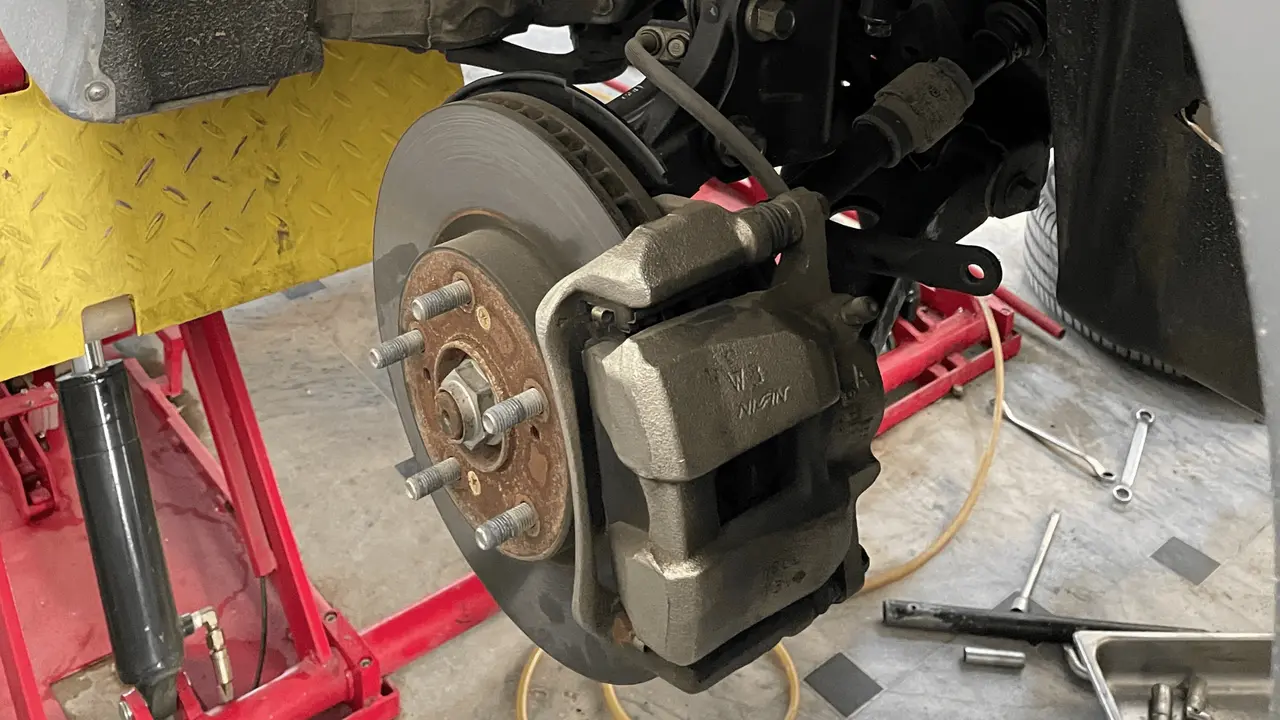
Brake Pads Cheap vs Expensive: Which One Should You Choose?
Brake pads are one of the most essential components of your vehicle’s braking system. When it comes to safety, performance, and long-term cost, the type of brake pads you choose can make a significant difference. In this in-depth guide, we’ll explore the real differences between cheap and expensive brake pads, helping you make the best decision for your car, your budget, and your peace of mind.
Why Brake Pads Matter
Brake pads are friction materials that press against the brake rotor to slow or stop your vehicle. High-quality brake pads are crucial for:
- Safety: Poor-quality pads can lead to brake fade or failure.
- Performance: Better pads deliver more consistent stopping power.
- Longevity: Good pads reduce rotor wear and require less frequent replacement.
Regardless of your driving habits, choosing the right brake pads is vital to ensure optimal braking performance and road safety.
Cheap vs Expensive Brake Pads: Key Differences
Let’s delve into the primary differences between cheap and expensive brake pads and evaluate what you get for the price difference.
1. Material Composition
Cheap Brake Pads:
Typically made from organic or semi-metallic compounds, these pads are affordable but often use lower-quality materials that wear out quickly and generate more dust.
Expensive Brake Pads:
Usually composed of ceramic, low-metallic NAO, or carbon fiber materials. These offer superior heat resistance, reduced dust, and longer life.
2. Braking Performance
Cheap Pads:
Inconsistent braking, especially under high-speed or emergency conditions. May require more pedal pressure and longer stopping distances.
Expensive Pads:
Engineered for consistent braking performance, even under extreme conditions. They offer better initial bite and stopping power.
3. Noise and Vibration
Cheap Pads:
Often lack anti-noise shims or vibration-damping features, leading to squealing or grinding noises.
Expensive Pads:
Designed with anti-noise technology and better fitment tolerances to ensure smoother, quieter operation.
4. Durability and Longevity
Cheap Pads:
Tend to wear out faster, especially with frequent city driving or hard braking. May last 15,000–25,000 km.
Expensive Pads:
Can last 40,000–70,000 km depending on driving conditions, thanks to high-grade materials and manufacturing standards.
5. Heat Resistance and Fade
Cheap Pads:
Prone to brake fade when exposed to high temperatures, such as during mountain driving or towing.
Expensive Pads:
Superior heat dissipation and resistance to fading, maintaining performance even after prolonged use.
6. Cost and Value Over Time
Cheap Pads:
Lower upfront cost but need more frequent replacement. May also damage rotors, increasing long-term maintenance costs.
Expensive Pads:
Higher initial price, but longer lifespan and better protection for rotors can lead to overall savings.
OEM vs Aftermarket Brake Pads
OEM (Original Equipment Manufacturer) brake pads are designed specifically for your vehicle’s make and model. They offer:
- Perfect fitment
- Reliable performance
- Manufacturer-backed quality
Aftermarket brake pads, while cheaper and offering more variety, vary widely in quality. It’s essential to vet aftermarket brands based on reputation and reviews.
Top Brake Pad Brands in Pakistan
For optimal safety and durability, consider the following trusted brands:
For Japanese Cars (Toyota, Honda, Suzuki)
- Nissin
- Akebono
- ADVICS
- FBL
- Hitachi
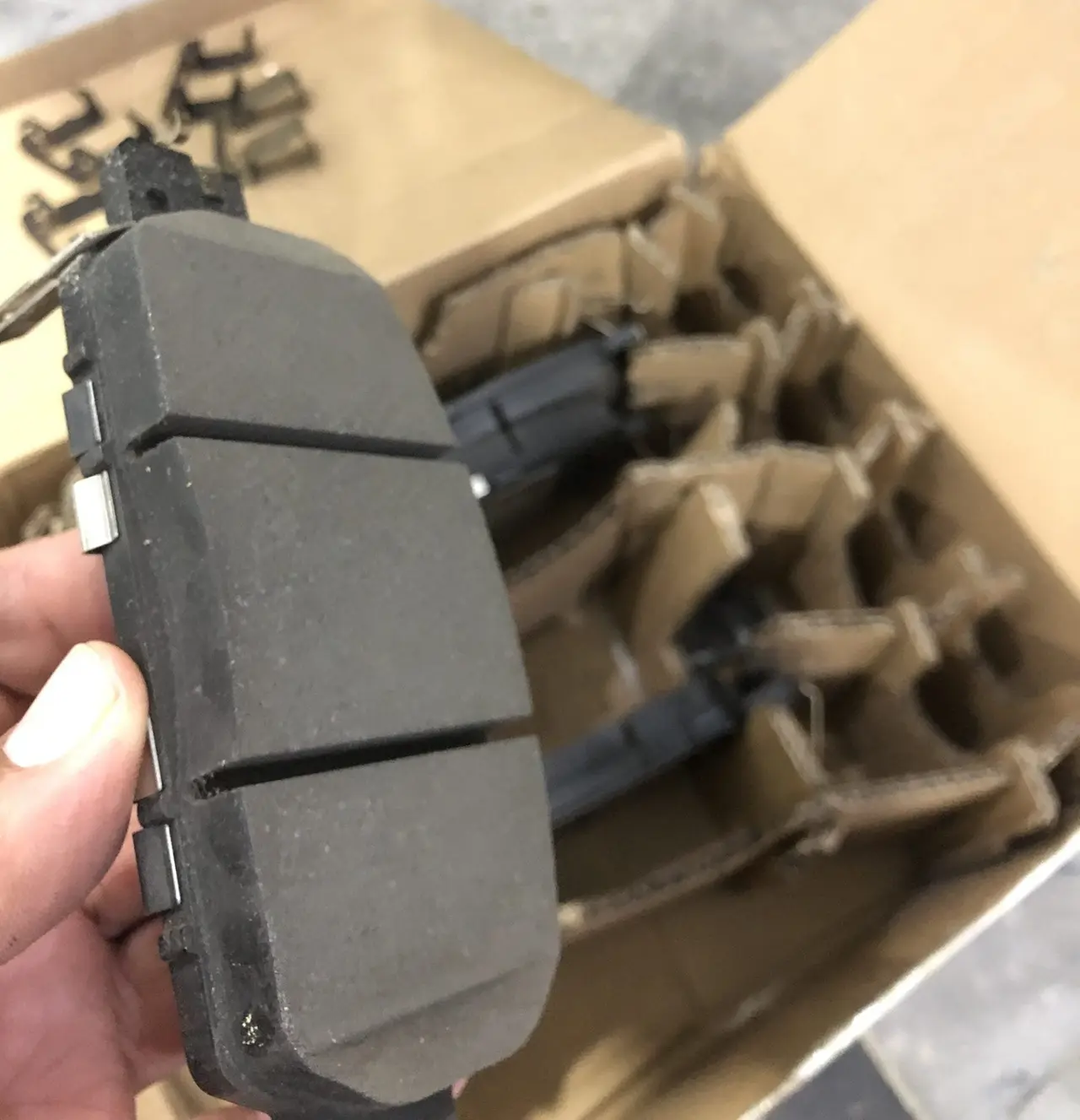
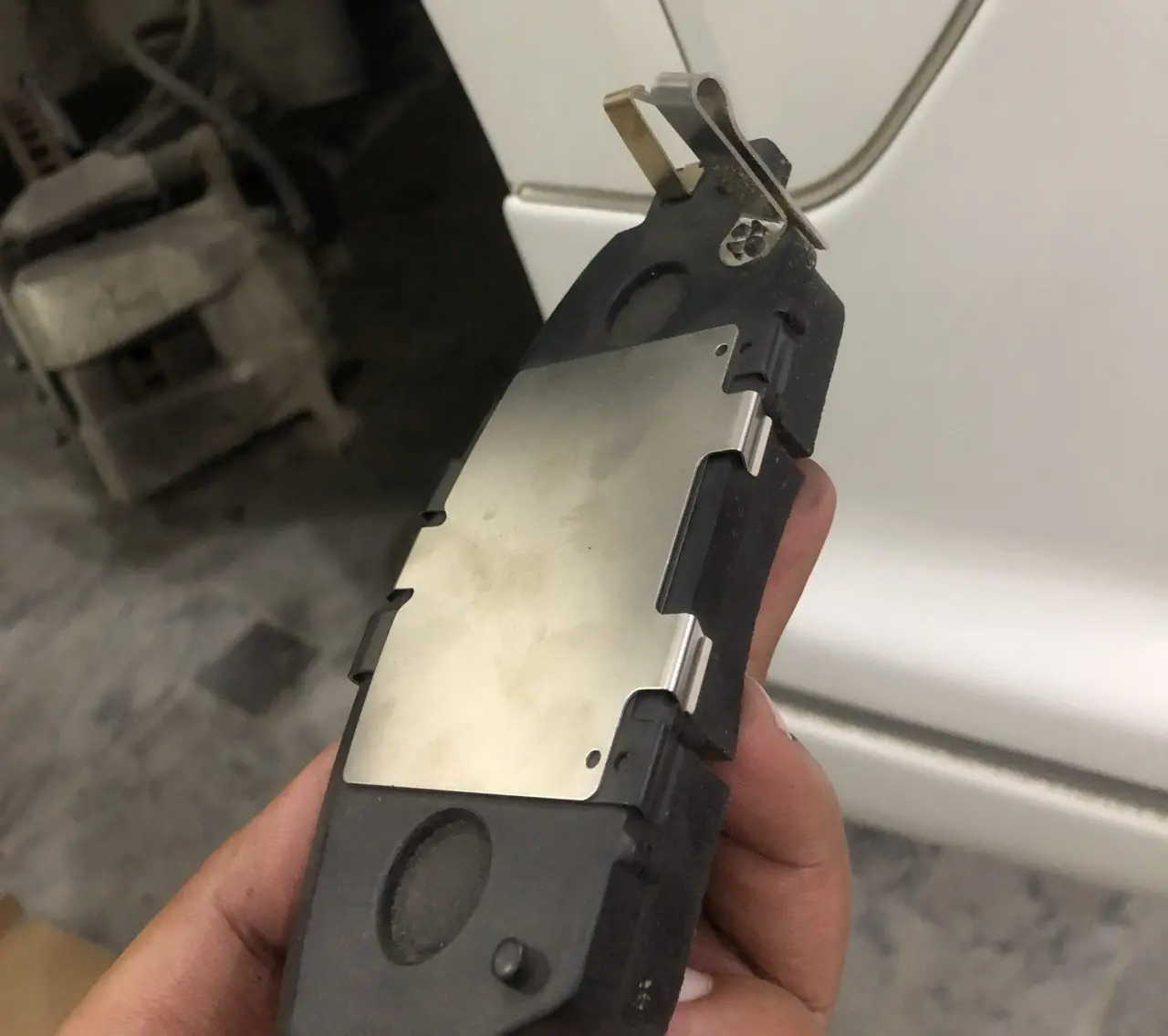
For German Cars (BMW, Audi, Mercedes)
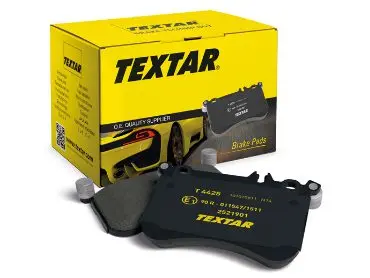
- Textar
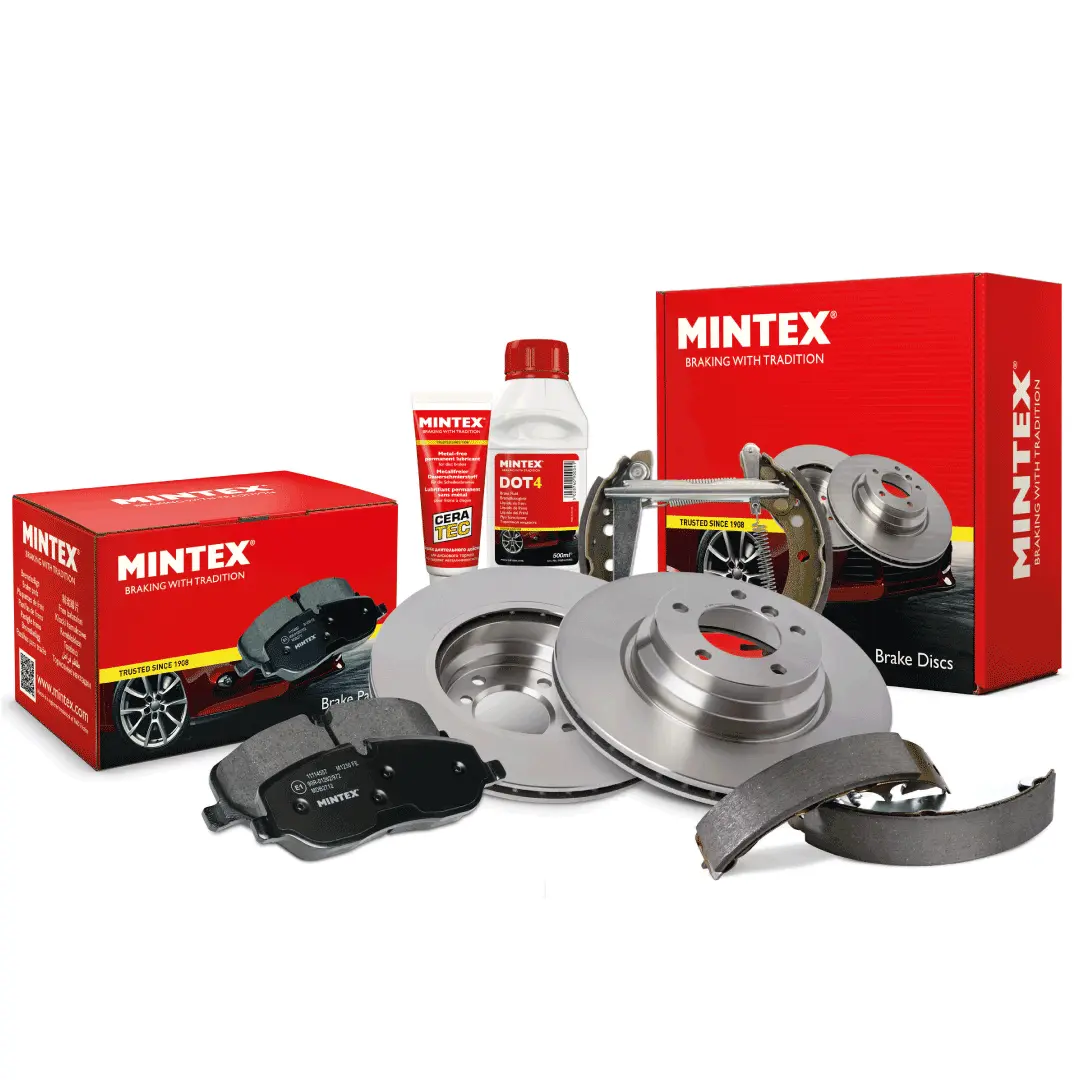
- Mintex
- TMD Friction
These brands are known for their reliability, quality construction, and compatibility with ABS systems and hybrid models.
Which Brake Pads Are Best for You?
Use Case Scenarios
Driver Type
Recommended Pad Type
Reason
City Driver
Mid-tier semi-metallic
Balance between cost and performance
Highway Driver
Ceramic / OEM
Quiet, long-lasting, low dust
Performance/Track Driver
High-performance carbon/ceramic
Superior heat resistance
Budget-Conscious Driver
Entry-level organic
Cheapest option, but more frequent changes needed
Hybrid Vehicle Owner
OEM pads with ABS compatibility
Ensures system integrity
Final Thoughts
When it comes to choosing between cheap vs expensive brake pads, the decision should go beyond price. While cheap brake pads may seem like a money-saving option at first glance, they often lead to reduced performance, more frequent replacements, and potential safety risks.
Investing in high-quality or OEM brake pads ensures better braking efficiency, safety, and long-term value. For most drivers, mid-tier to premium brake pads strike the right balance between cost and reliability.
FAQs
Q1: Are expensive brake pads worth it?
Yes. They offer better durability, performance, and long-term savings by protecting other components like rotors.
Q2: How often should brake pads be replaced?
Typically every 30,000–70,000 km, depending on the pad type and driving habits.
Q3: Can cheap brake pads damage my car?
Yes. They can wear out quickly, overheat, and even warp or damage brake rotors.
Q4: What are signs I need new brake pads?
Squealing noise, reduced braking performance, vibration when braking, and a brake pad warning light.
Optimize Your Brake System with FixMyCar.pk
At FixMyCar.pk, Islamabad’s top-rated workshop for hybrid and Japanese cars, we recommend genuine brake pad replacements for optimum safety and performance. We stock premium brands and offer error rectifications for ABS fault codes (C1256, C1246) and hybrid braking systems.
Call us at +92 331 222 7989 or visit our workshop in I-9/2, Islamabad to book a service today.
Related reading
honda
Car Inspection or Pre-Purchase Inspection Service
A car inspection, also known as a pre-purchase inspection, is a vital process that involves a comprehensive assessment of a vehicle’s condition before a potential buyer commits to purchasing it. This meticulous examination is conducted by professional mechanics or automotive experts who thoroughly inspect various aspects of the car, including its mechanical components, electrical systems, […]
honda
Best Suspension Parts at Fixmycar.pk
Why Are Suspension Parts Important for Your Vehicle? Best Suspension parts play a crucial role in ensuring a smooth, stable, and comfortable ride. A well-maintained suspension system helps: Absorb shocks from rough roads Improve handling and control Enhance overall driving comfort For vehicles like 4×4s, suspension becomes even more critical due to off-road demands. Why […]
toyota
Buy AdBlue in Pakistan – Supply, Refilling, and AdBlue System Service
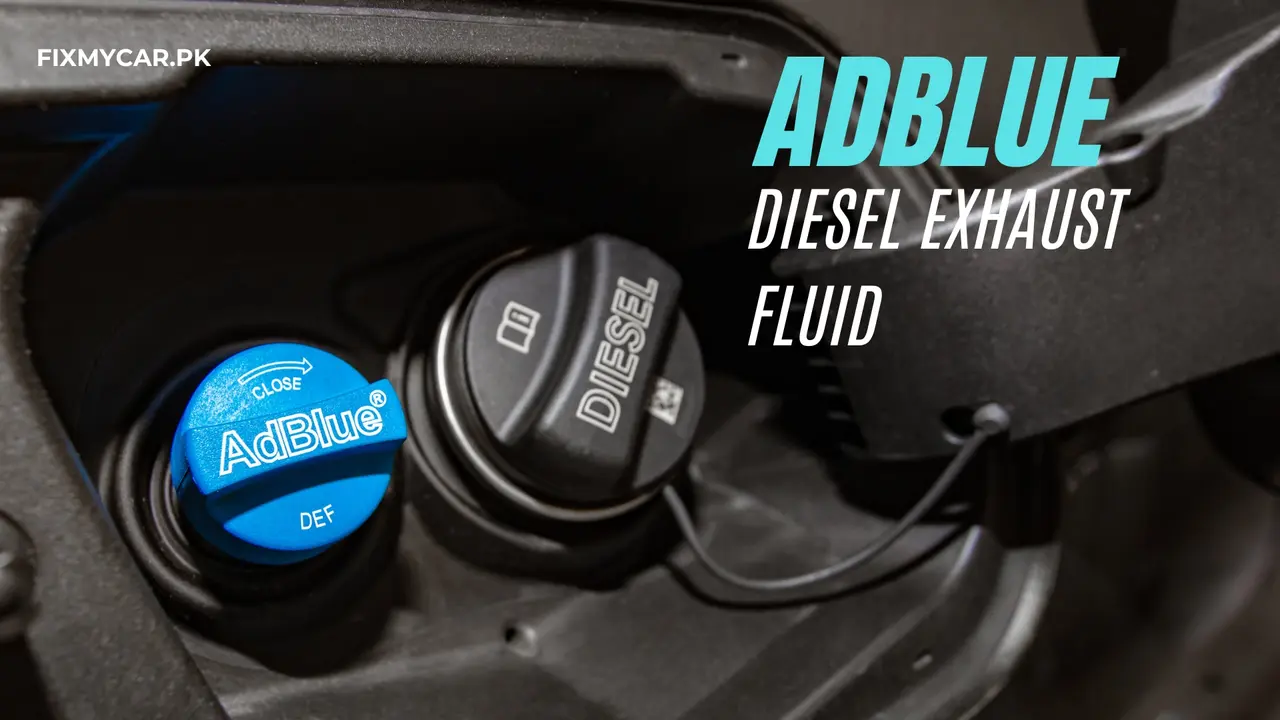
Where to buy AdBlue (DEF) in Pakistan: ISO 22241 certified fluid for diesel SCR systems, refill intervals, common AdBlue fault codes (P20EE, P20E8, P207F), nationwide delivery and professional SCR servicing by Fixmycar.pk.
toyota
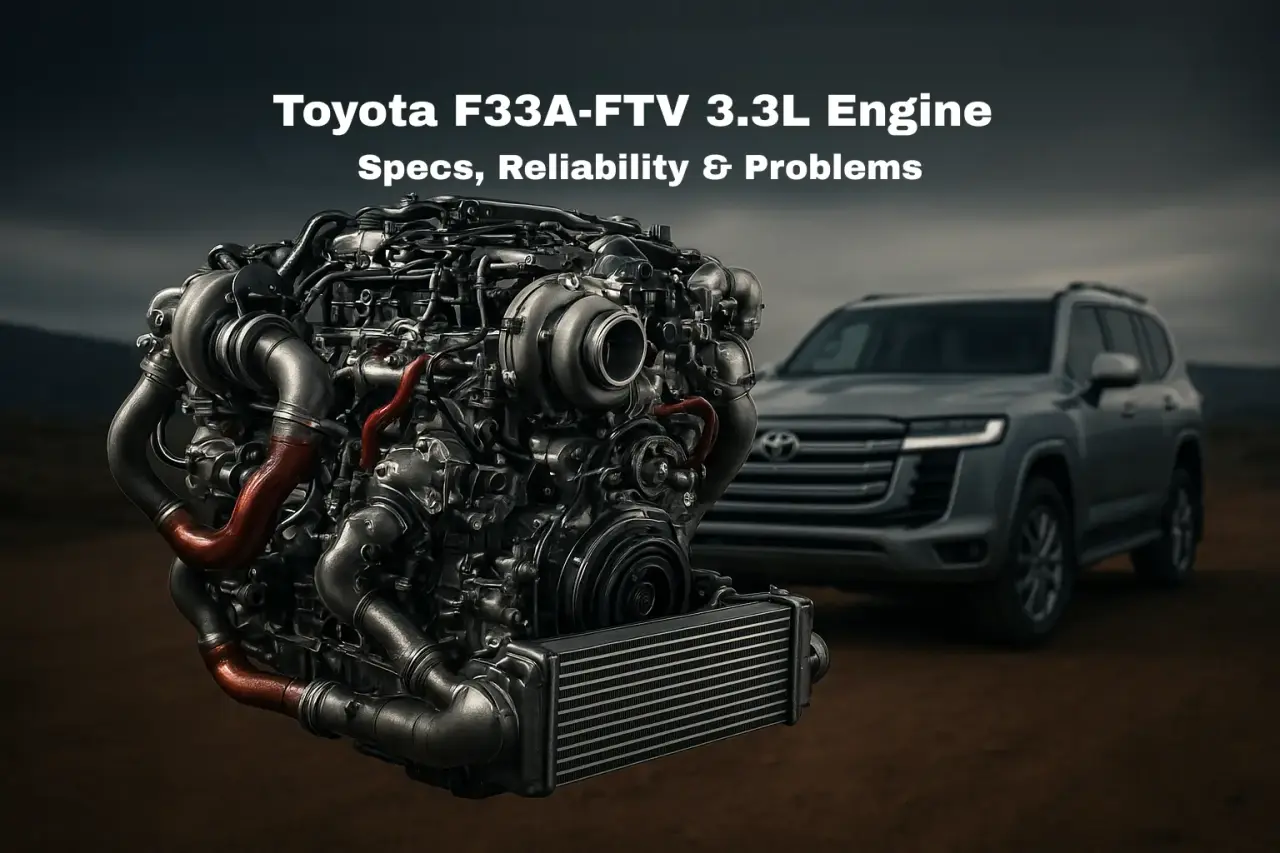
Toyota F33A-FTV 3.3L Engine: Specs, Reliability, and Owner’s Guide
Toyota F33A-FTV 3.3L twin-turbo V6 diesel engine marked a significant shift in the automotive landscape for Toyota’s most enduring off-road platforms. Launched in 2021, the F33A-FTV debuted in the venerable Toyota Land Cruiser 300 and was later adopted by the Lexus LX 500d. This engine is historic for the manufacturer, representing their first-ever production V6 diesel, […]
toyota
Toyota CVT TC vs CVT FE 08886-02105
Toyota CVT TC vs CVT FE — Differences, Compatibility, Climate Guidance, and Best Practices Choosing the correct Toyota CVT fluid is critical for transmission longevity, smooth shift performance, and fuel economy. Two genuine options appear frequently in owner manuals and parts catalogs: Toyota CVT TC and Toyota CVT FE (part no. 08886-02105). While both are […]
toyota
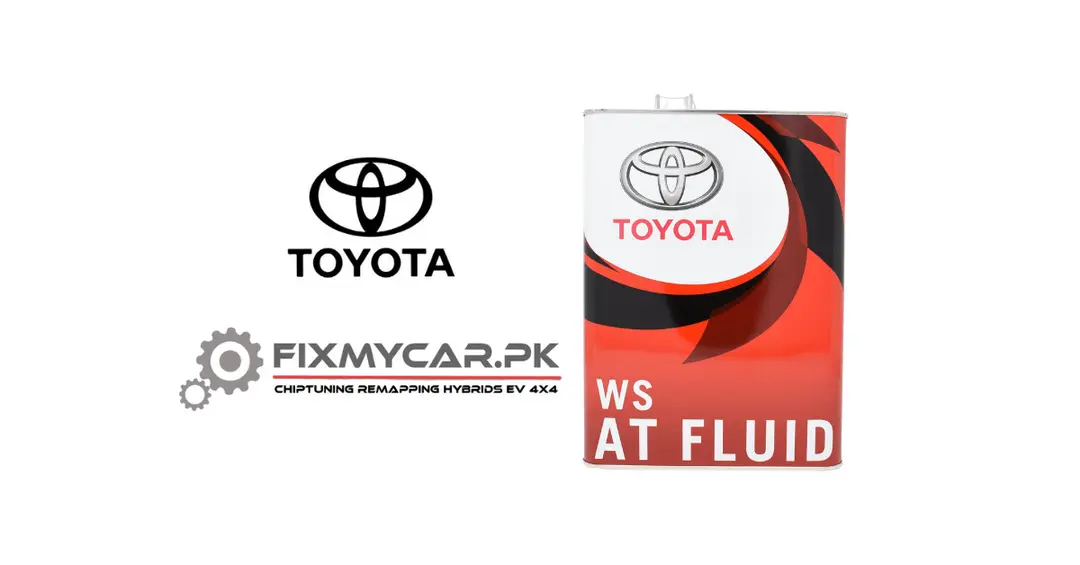
Toyota ATF WS
Toyota ATF WS: Complete Guide, Specs, Applications, and Maintenance Tips If you own a modern Toyota or Lexus, choosing the right automatic transmission fluid (ATF) is critical for smooth shifting, fuel economy, and long transmission life. Toyota ATF WS (World Standard) is the factory-recommended fluid for a wide range of Toyota and Lexus models from […]