
Car engine sensors and their functions
What Are Car Engine Sensors? Car engine sensors are electronic components that monitor different engine conditions and send data to the vehicle’s engine control unit (ECU). These sensors help the ECU adjust fuel injection, ignition timing, emissions control, and engine performance. Without engine sensors, modern cars would not be as fuel-efficient, reliable, or environmentally friendly […]
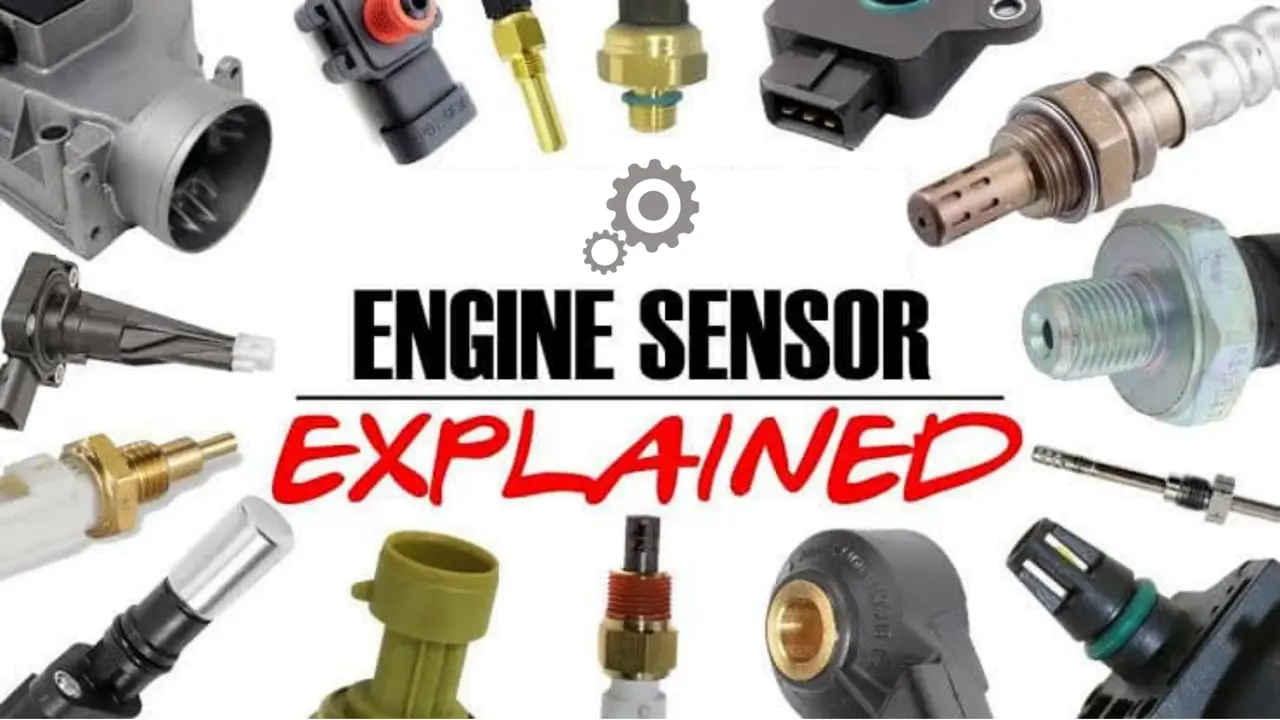
What Are Car Engine Sensors?
Car engine sensors are electronic components that monitor different engine conditions and send data to the vehicle’s engine control unit (ECU). These sensors help the ECU adjust fuel injection, ignition timing, emissions control, and engine performance.
Without engine sensors, modern cars would not be as fuel-efficient, reliable, or environmentally friendly as they are today.
Why Are Car Engine Sensors Important?
Car engine sensors are important because they:
-
Improve fuel efficiency
-
Reduce harmful emissions
-
Monitor engine health
-
Optimize engine performance
-
Prevent engine damage
They constantly collect data and send it to the ECU, which makes real-time adjustments to keep the engine running smoothly.
What Are the Main Types of Car Engine Sensors?
Modern vehicles use many sensors. Some of the most important ones include:
-
Oxygen sensors
-
Mass airflow sensors (MAF)
-
Throttle position sensors (TPS)
-
Coolant temperature sensors
-
Crankshaft position sensors (CKP)
-
Camshaft position sensors (CMP)
-
Knock sensors
-
MAP sensors (Manifold Absolute Pressure)
-
ABS wheel speed sensors
-
Vehicle speed sensors
-
Oil pressure sensors
-
Fuel level sensors
Each of these sensors monitors a different aspect of the vehicle.
What Does an Oxygen Sensor Do?
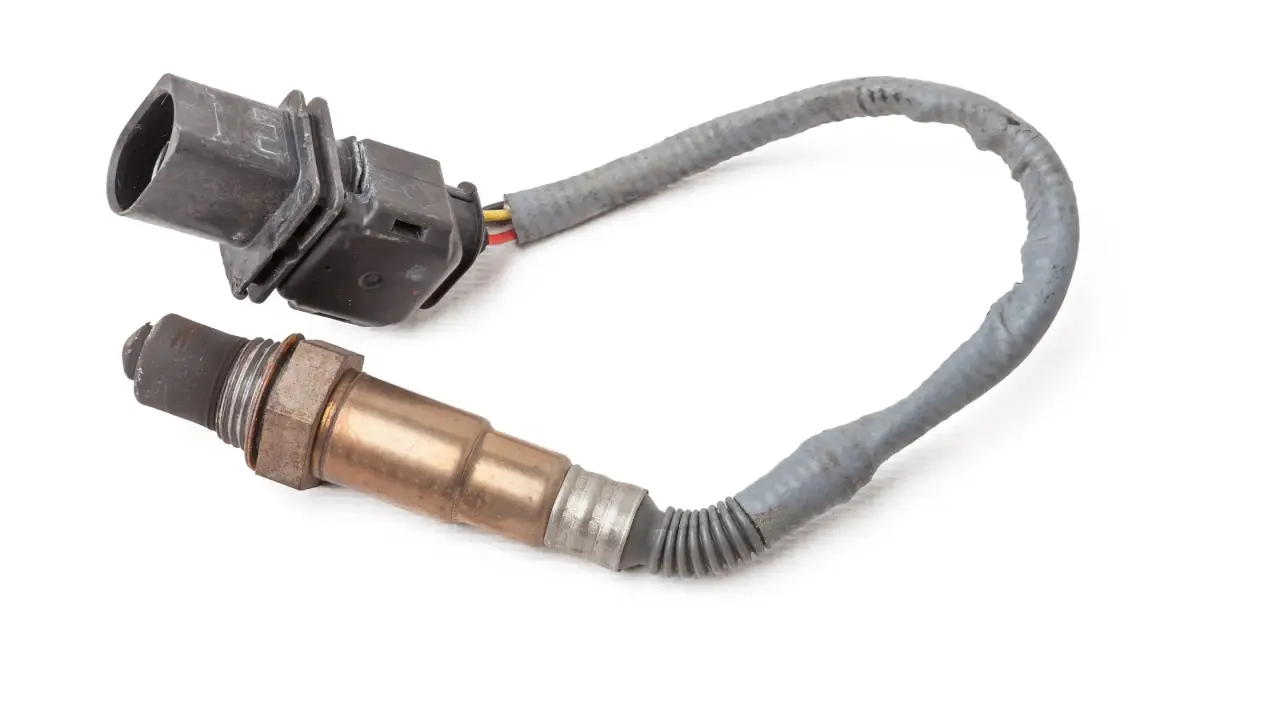
An oxygen sensor (O2 sensor) measures the amount of oxygen in the exhaust gases.
This helps the ECU adjust the air-fuel mixture for better combustion. If there is too much fuel (rich mixture), the ECU reduces fuel injection. If there is too much air (lean mixture), the ECU adds more fuel.
This process helps:
-
Improve fuel economy
-
Reduce emissions
-
Maintain engine performance
What Is a Mass Airflow (MAF) Sensor?
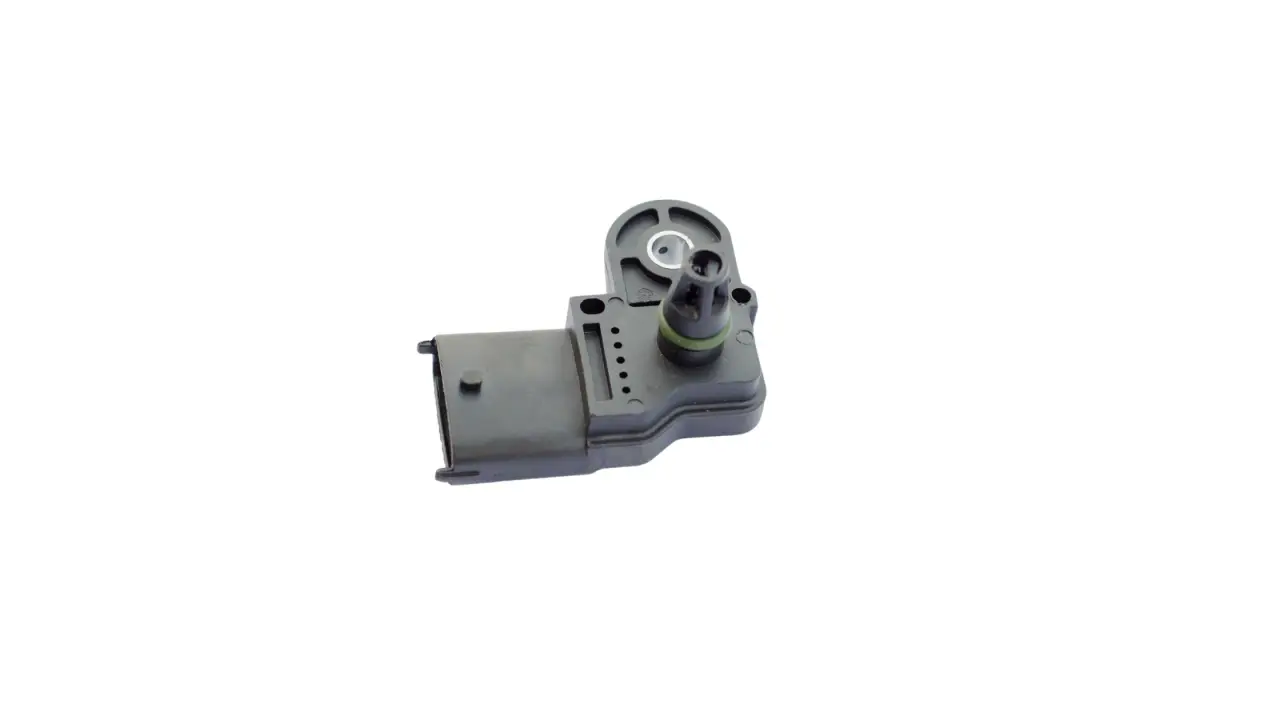
A mass airflow sensor measures the amount of air entering the engine.
The ECU uses this information to calculate the correct amount of fuel to inject. This ensures proper combustion whether the vehicle is idling, cruising, or accelerating.
What Does a Throttle Position Sensor (TPS) Do?
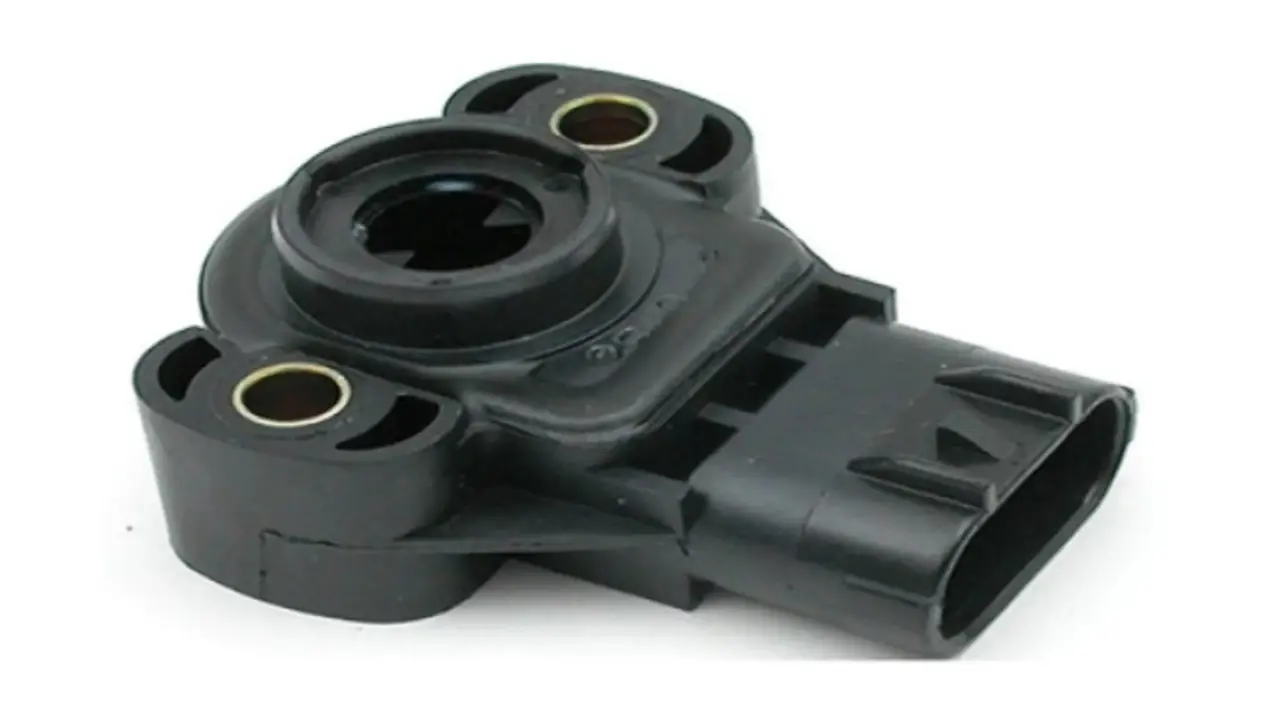
A throttle position sensor monitors how far the throttle valve is open.
When the driver presses the accelerator pedal, the throttle opens wider. The TPS sends this information to the ECU so it can adjust fuel delivery and maintain smooth acceleration.
What Is a Coolant Temperature Sensor?
A coolant temperature sensor monitors the engine’s operating temperature.
If the engine temperature rises too high, the ECU can activate the cooling system or adjust engine settings to prevent overheating.
This helps protect the engine from serious damage.
What Does a Crankshaft Position Sensor Do?
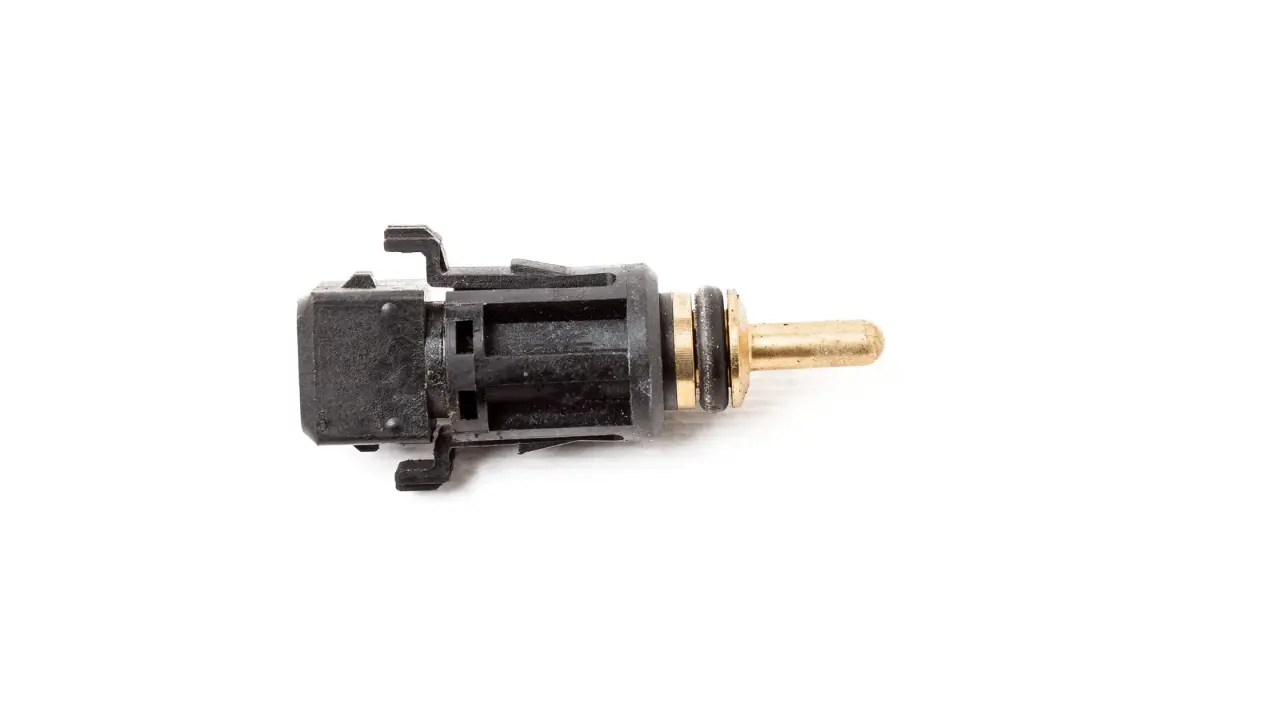
A crankshaft position sensor detects the position and rotation speed of the crankshaft.
This information allows the ECU to precisely control:
-
Ignition timing
-
Fuel injection timing
Accurate timing is essential for smooth engine operation and maximum power.
What Is a Camshaft Position Sensor?
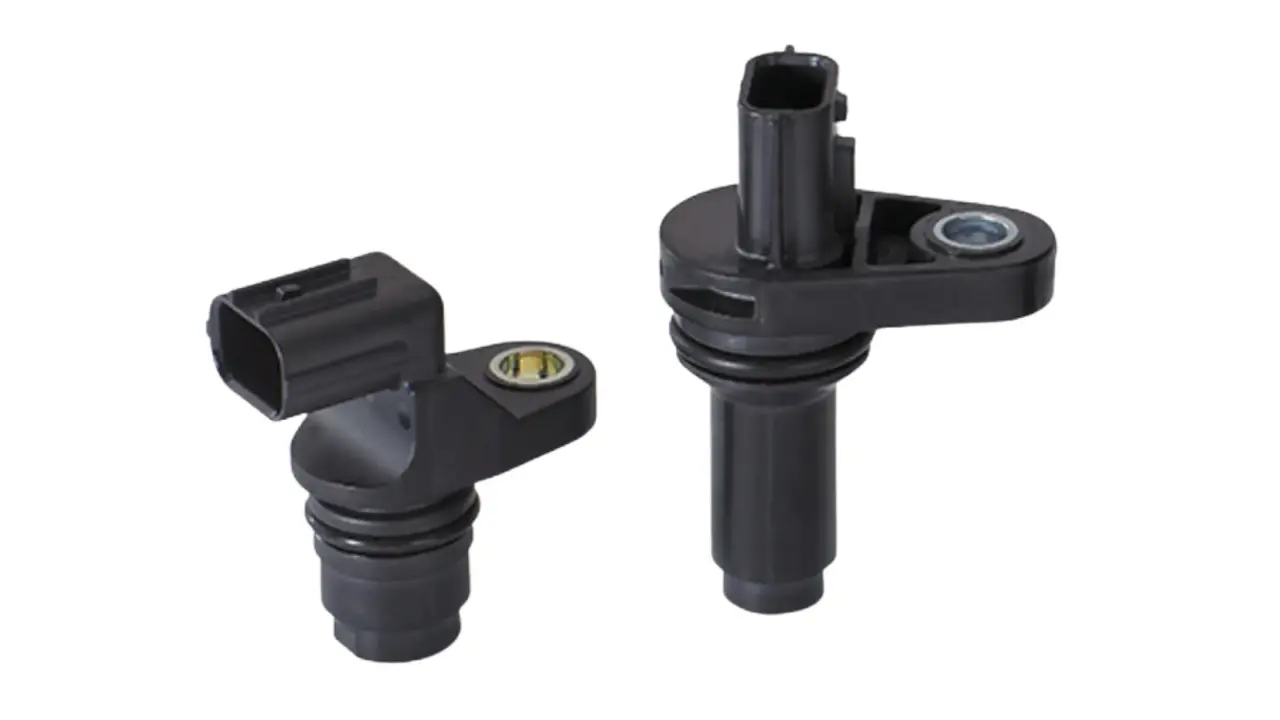
A camshaft position sensor monitors the position of the camshaft.
This helps the ECU control valve timing and fuel injection timing, which improves:
-
Engine efficiency
-
Idle smoothness
-
Emissions control
What Is a Knock Sensor?
A knock sensor detects abnormal engine vibrations known as engine knocking or pinging.
If knocking is detected, the ECU adjusts ignition timing to prevent internal engine damage.
What Is a MAP Sensor?
A Manifold Absolute Pressure (MAP) sensor measures the pressure inside the intake manifold.
This helps the ECU determine engine load and adjust the fuel-air mixture accordingly.
What Do ABS Sensors Do?
ABS sensors monitor the speed of each wheel.
This information helps the Anti-lock Braking System prevent wheel lock-up during sudden braking, improving vehicle control and safety.
What Do Speed Sensors Do?
Vehicle speed sensors measure how fast the vehicle is moving.
This information is used for systems such as:
-
Cruise control
-
Automatic transmission shifting
-
Speedometer readings
What Does an Oil Pressure Sensor Do?
An oil pressure sensor monitors the engine’s oil pressure.
If oil pressure drops too low, a warning light appears on the dashboard to prevent engine damage caused by poor lubrication.
What Is a Fuel Level Sensor?
A fuel level sensor measures how much fuel is in the tank.
This sensor sends data to the fuel gauge so the driver knows when to refuel.
How Do Car Engine Sensors Work Together?
Car engine sensors constantly collect data and send it to the engine control unit (ECU).
The ECU processes this information and adjusts engine operations in real time, including:
-
Fuel injection
-
Ignition timing
-
Air-fuel mixture
-
Emissions control
This coordination ensures the engine runs efficiently and reliably.
Conclusion
Car engine sensors are essential components in modern vehicles. They monitor everything from oxygen levels and airflow to engine temperature and crankshaft position.
By sending accurate data to the ECU, these sensors help maintain fuel efficiency, engine performance, and lower emissions. Understanding how these sensors work can help car owners make better maintenance decisions and keep their vehicles running smoothly.
Related reading

honda
Honda Civic Turbo Transmission Failures
Honda Civic Turbo Transmission Failures: Questions and Answers What Is the Honda Civic Turbo? The Honda Civic Turbo is a modern version of Honda’s popular compact car equipped with a turbocharged engine designed to deliver better performance while maintaining fuel efficiency. Many recent Civic models use a 1.5-liter turbocharged engine that produces more power than […]
toyota
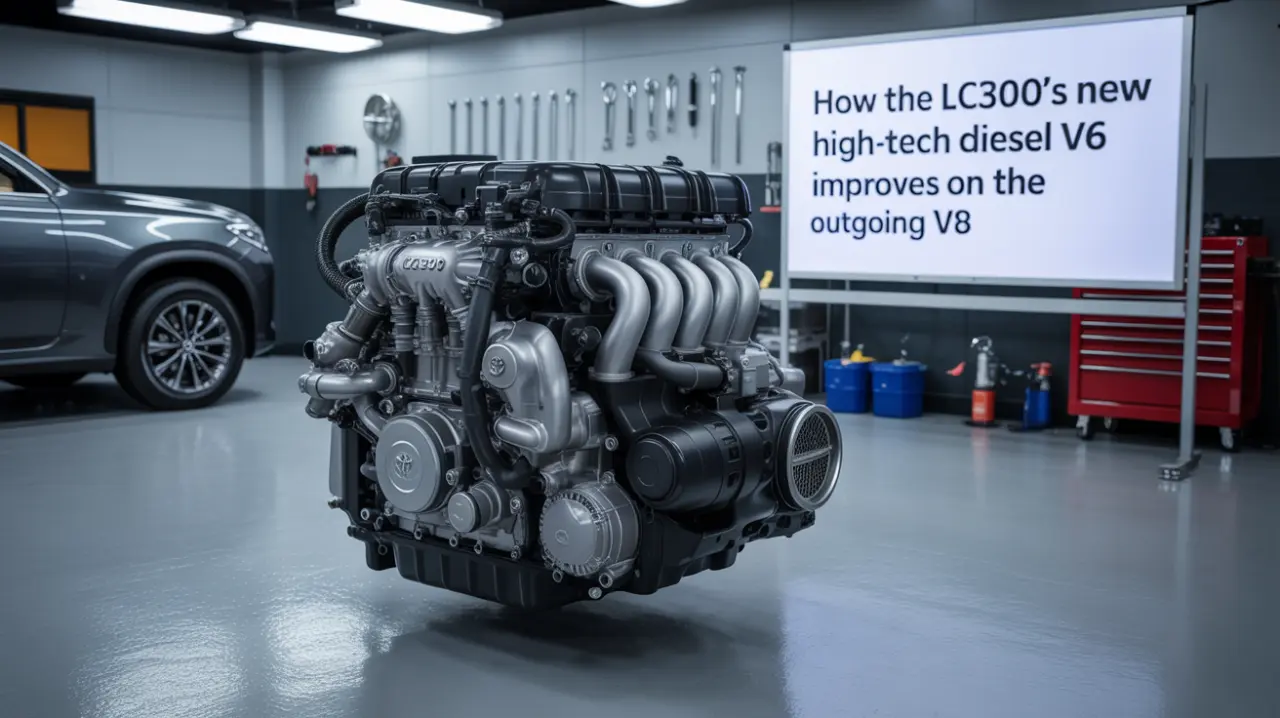
How the LC300’s New High-Tech Diesel V6 Improves on the Outgoing V8
How the LC300’s New High-Tech Diesel V6 Improves on the Outgoing V8 The Toyota LandCruiser has long been synonymous with rugged reliability and off-road prowess. With the introduction of the LC300 series, Toyota has made a bold move by replacing the iconic V8 diesel engine with a new high-tech V6 diesel. This decision has sparked […]
toyota
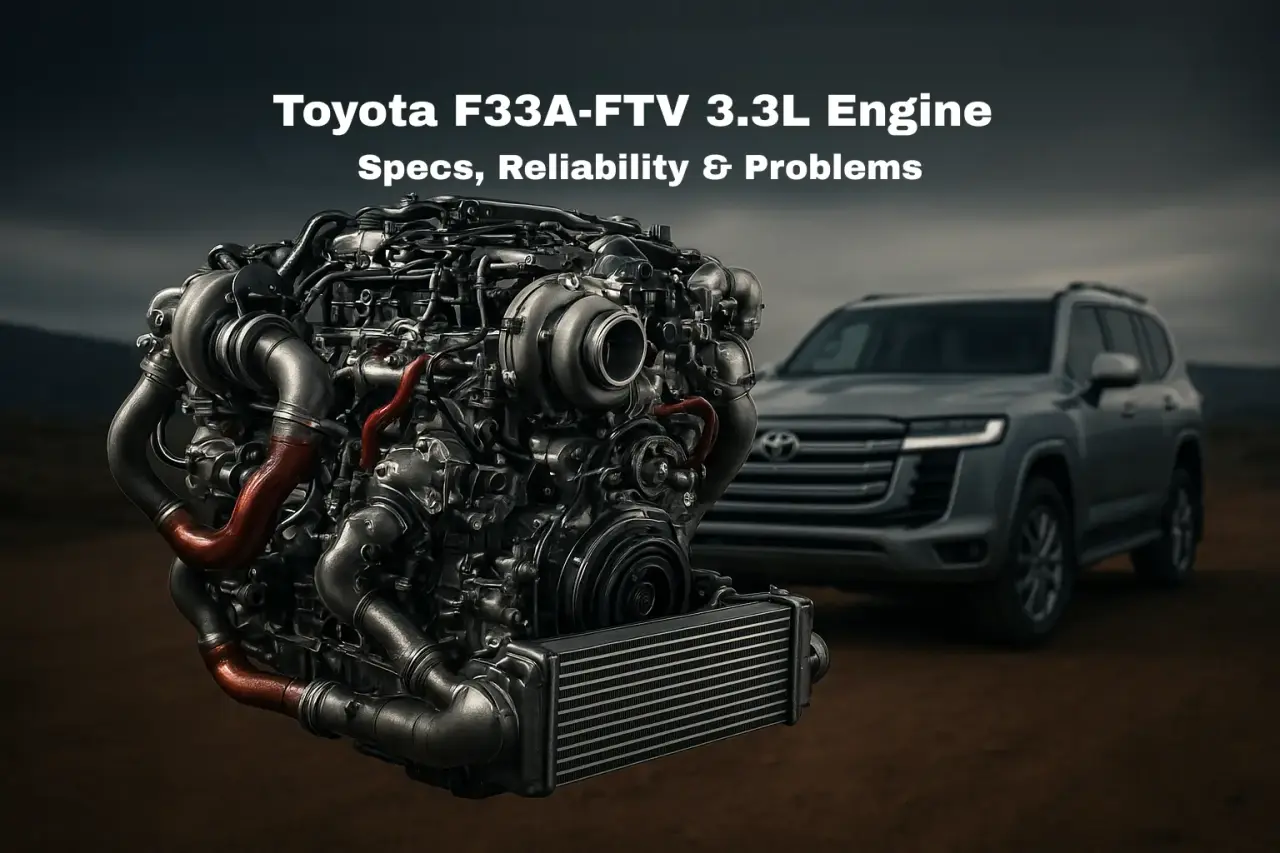
Toyota F33A-FTV 3.3L Engine: Specs, Reliability, and Owner’s Guide
Toyota F33A-FTV 3.3L twin-turbo V6 diesel engine marked a significant shift in the automotive landscape for Toyota’s most enduring off-road platforms. Launched in 2021, the F33A-FTV debuted in the venerable Toyota Land Cruiser 300 and was later adopted by the Lexus LX 500d. This engine is historic for the manufacturer, representing their first-ever production V6 diesel, […]
toyota
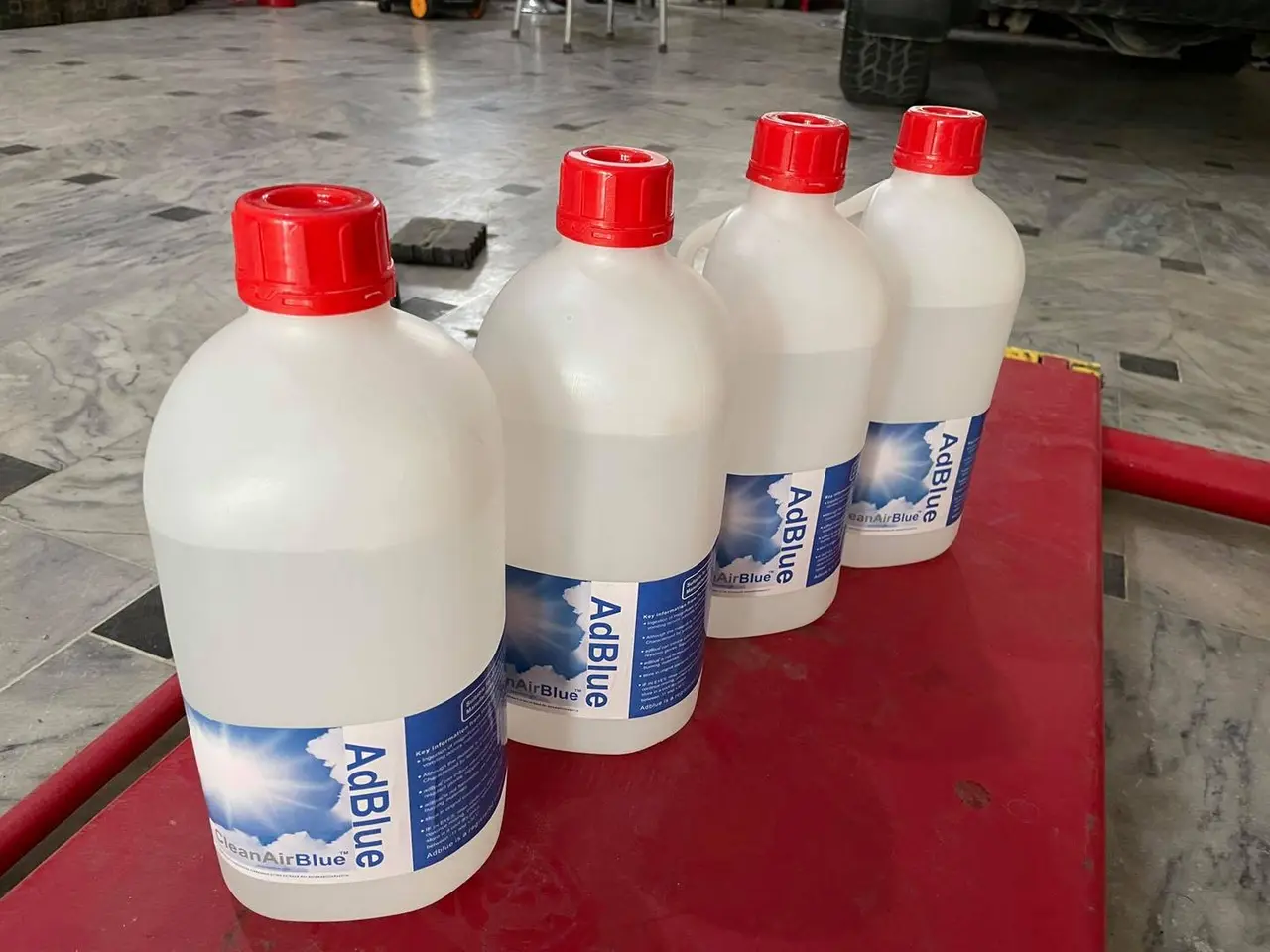
AdBlue Diesel Exhaust Fluid — What It Is and Which Cars Need It
AdBlue (DEF) is the urea-based fluid modern diesel SCR systems use to cut NOx emissions. Learn how it works, which Toyota, Mercedes, BMW, Audi and VW models need it, what happens when you run out, and where to buy AdBlue in Pakistan.
toyota
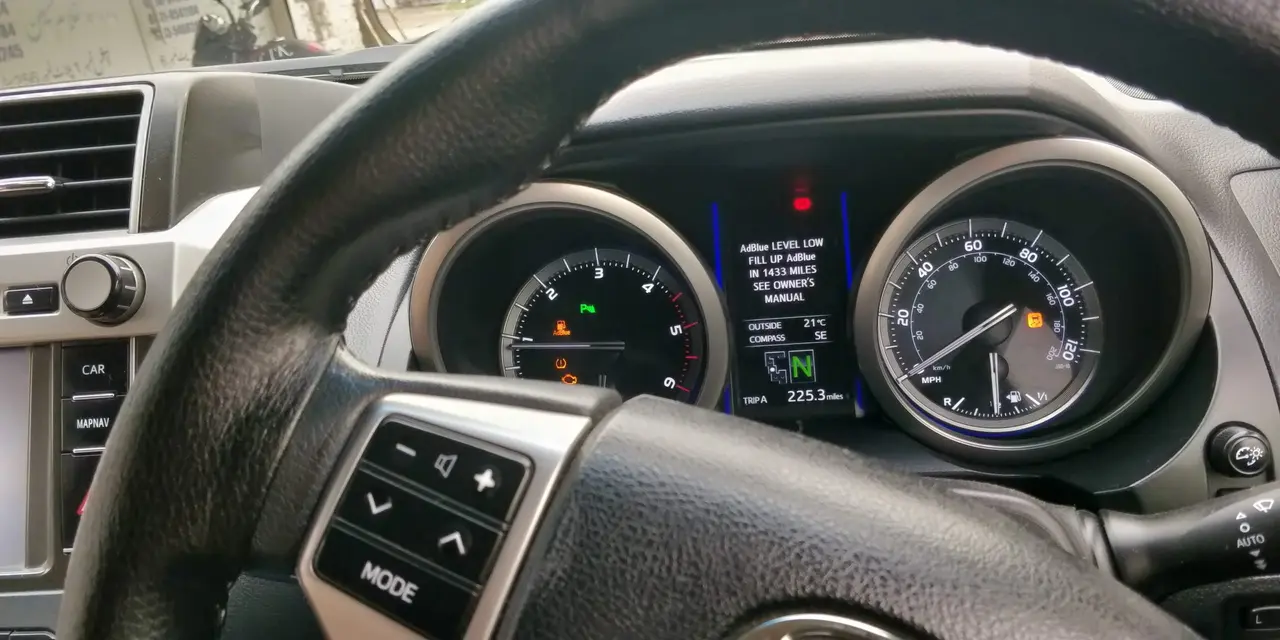
Toyota AdBlue in Diesel — Prado 1GD, Hiace, Land Cruiser
Toyota AdBlue (DEF) is factory-fitted on Prado 1GD-FTV, Hiace 300 series and Land Cruiser diesels for Euro 6 emissions. Learn how it works, common DTCs (P203C, P204C, P205D), what happens if you run out, and how Fixmycar.pk Islamabad services Toyota SCR systems in Pakistan.

toyota
Land Cruiser Petrol vs Diesel: Which Engine is Right for You?
Land Cruiser Petrol vs Diesel: Which Engine is Right for You? When choosing between a diesel Land Cruiser (LC) and a petrol Land Cruiser, prospective buyers often weigh factors such as performance, fuel economy, maintenance costs, durability, and resale value. This detailed comparison will help you determine which variant best suits your needs. 1. Understanding […]