
Cruise Control: Advantages, Considerations, and Safety Precautions
Introduction In this comprehensive article, we delve into the world of cruise control, exploring its advantages, considerations, and safety precautions. Cruise control has become a ubiquitous feature in modern vehicles, providing drivers with convenience and comfort during long journeys. Understanding the benefits and potential pitfalls of cruise control is essential for all drivers to ensure […]
Introduction
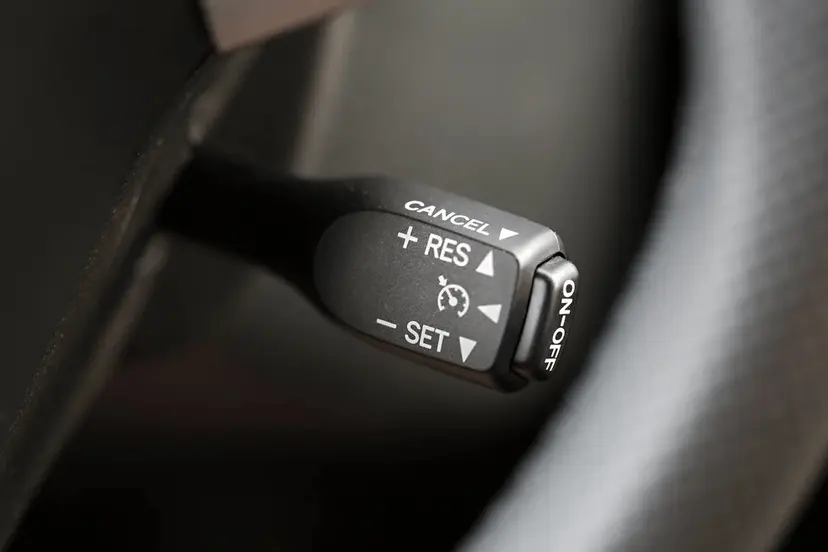
In this comprehensive article, we delve into the world of cruise control, exploring its advantages, considerations, and safety precautions. Cruise control has become a ubiquitous feature in modern vehicles, providing drivers with convenience and comfort during long journeys. Understanding the benefits and potential pitfalls of cruise control is essential for all drivers to ensure a safe and enjoyable driving experience. At Fixmycar.pk, we aim to equip you with the knowledge and insights necessary to make informed decisions about using cruise control effectively.
Advantages of Cruise Control
Fuel Efficiency and Consistency
Cruise control helps optimize fuel efficiency by maintaining a consistent speed on the highways. When engaged, it keeps the vehicle at a steady pace, reducing unnecessary accelerations and decelerations that may waste fuel. This advantage becomes particularly evident during long trips, where maintaining a constant speed can result in significant fuel savings.
Reduced Driver Fatigue
Long journeys can be tiring for drivers, leading to fatigue, reduced concentration, and increased accident risks. By using cruise control, drivers can alleviate the need to constantly adjust their speed, allowing them to focus on the road ahead and avoid unnecessary strain on their muscles. As a result, drivers can arrive at their destinations feeling more refreshed and alert.
Compliance with Speed Limits
One of the common causes of traffic violations is unintentionally exceeding speed limits. Cruise control can be set to adhere to the posted speed limits, reducing the likelihood of inadvertently speeding and ensuring legal compliance. This feature serves as a valuable tool for responsible driving.
Avoiding Speeding Tickets
Linked to the previous point, cruise control can also help drivers avoid costly speeding tickets. By maintaining a consistent speed, drivers can prevent unintentional accelerations that might lead to exceeding the speed limit, thus keeping them within the boundaries of the law.
Enhanced Driving Comfort
On long stretches of road, holding down the accelerator for an extended period can lead to discomfort and even cramps. Cruise control allows drivers to relax their legs and maintain a more comfortable position while driving, especially on highways where constant speed adjustments are unnecessary.
Considerations When Using Cruise Control
Weather and Road Conditions
While cruise control is a valuable feature, it is essential to exercise caution when using it in adverse weather or road conditions. Slippery surfaces, heavy rain, snow, or icy roads may make it challenging for the system to respond quickly to sudden changes, potentially compromising safety. Therefore, it is crucial to disable cruise control in such conditions and drive manually for greater control.
Traffic Density
In congested traffic or areas with heavy traffic density, cruise control may not be the most suitable option. The system may not respond as effectively to sudden stops and starts, and constant engagement and disengagement might become tedious for the driver. In such scenarios, it is best to use manual driving to ensure greater responsiveness to traffic conditions.
Steep Hills and Descents
When driving on steep inclines or descents, cruise control may struggle to maintain a steady speed, especially in older vehicles. On uphill sections, the system may overcompensate and accelerate too much, while on downhill sections, it may not decelerate adequately. As a result, using cruise control in hilly terrains requires careful consideration and manual intervention when necessary.
Proximity to Other Vehicles
Maintaining a safe following distance is essential for any responsible driver. When using cruise control, it is crucial to be aware of the distance between your vehicle and others on the road. While the system can maintain a constant speed, it cannot predict sudden maneuvers from nearby vehicles. Always be prepared to disengage cruise control and use manual braking to ensure safety in close traffic conditions.
Safety Precautions with Cruise Control
Remain Attentive at All Times
Despite the convenience cruise control offers, it is not a substitute for attentive driving. Drivers must stay engaged, keep their hands on the steering wheel, and be prepared to take control of the vehicle at any moment. Avoid distractions and maintain focus on the road to respond quickly to unexpected situations.
Regularly Check Cruise Control Functionality
Vehicle maintenance plays a vital role in the proper functioning of cruise control. Regularly inspect and service your vehicle, including the cruise control system, to ensure it operates optimally. Faulty cruise control can lead to unsafe driving conditions, so addressing any issues promptly is crucial for your safety.
Know When to Use and When to Disable
As discussed earlier, there are specific situations where using cruise control might not be the best choice. Familiarize yourself with the appropriate conditions for cruise control usage, and be ready to disable it when needed. Remember, you have control over the system, and your judgment is paramount in ensuring safe driving practices.
Conclusion
Cruise control is undoubtedly a valuable feature that can enhance the driving experience for many. Its advantages in terms of fuel efficiency, reduced driver fatigue, and compliance with speed limits make it an appealing option for long journeys. However, it is essential to consider the various factors that influence its effectiveness and safety. Weather and road conditions, traffic density, and steep terrains can affect cruise control’s performance, demanding careful attention from drivers.
Remember that cruise control is a tool to assist you in driving, not a substitute for responsible and attentive behavior behind the wheel. Always prioritize safety, stay alert, and make informed decisions when using cruise control.
Related reading
adas
Crawl Control : Advics Regenerative Braking System AHB-Rx
Regenerative Hybrid Braking System Toyota is a company that never stops evolving, a year passes and they are rolling out a new feature with such advancement and simplicity that it becomes a gold standard for the automotive industry. Toyota is pioneering in giving reliable Hybrid Synergy technology to all kinds of automobiles. Since we all […]

toyota
Toyota Land Cruiser 300 Now Comes with Hybrid Power
Toyota Land Cruiser 300 Now Comes with Hybrid Power Toyota has officially unveiled the hybrid version of its flagship SUV, the Land Cruiser 300, marking a significant milestone in the brand’s electrification journey. The introduction of this hybrid powerhouse often called the LC300 reinforces Toyota’s commitment to sustainable mobility without compromising the legendary off-road capability […]
![Honda ADAS Calibration Guide [Step-by-Step Tutorial]](/uploads/2025/09/Honda-ADAS-Calibration-1280.webp)
honda
Honda ADAS Calibration Guide [Step-by-Step Tutorial]
Honda ADAS Calibration Operation Instructions Advanced Driver Assistance Systems (ADAS) have become a vital component of modern vehicles, enhancing safety, reducing human error, and aiding drivers in critical moments. The Honda is equipped with a sophisticated ADAS suite, including features such as lane departure warning, forward collision warning, and adaptive cruise control. Proper calibration of ADAS […]

toyota
Toyota F33A-FTV 3.3L Engine: Specs, Reliability, and Owner’s Guide
Toyota F33A-FTV 3.3L twin-turbo V6 diesel engine marked a significant shift in the automotive landscape for Toyota’s most enduring off-road platforms. Launched in 2021, the F33A-FTV debuted in the venerable Toyota Land Cruiser 300 and was later adopted by the Lexus LX 500d. This engine is historic for the manufacturer, representing their first-ever production V6 diesel, […]
toyota
Land Cruiser Petrol vs Diesel: Which Engine is Right for You?
Land Cruiser Petrol vs Diesel: Which Engine is Right for You? When choosing between a diesel Land Cruiser (LC) and a petrol Land Cruiser, prospective buyers often weigh factors such as performance, fuel economy, maintenance costs, durability, and resale value. This detailed comparison will help you determine which variant best suits your needs. 1. Understanding […]

toyota
Toyota Land Cruiser 70 series
When you want to Ride in Style with the Land Cruiser 70 Series Soft Top and do not want to compromise on the capabilities of off-roading this military spec Landcruiser can be the best bang for the buck. The Land Cruiser 70 Series Soft Top provides the versatility that most off roaders can not offer. […]